
TL;DR:
- Post-construction services encompass activities like final cleaning, system commissioning, defect resolution, and documentation transfer, crucial for successful occupancy. They begin at substantial completion and ensure ongoing building performance, safety, and compliance, preventing costly future issues. Proper planning and thorough execution of these services protect owner investments, facilitate smooth handovers, and reduce long-term maintenance and dispute risks.
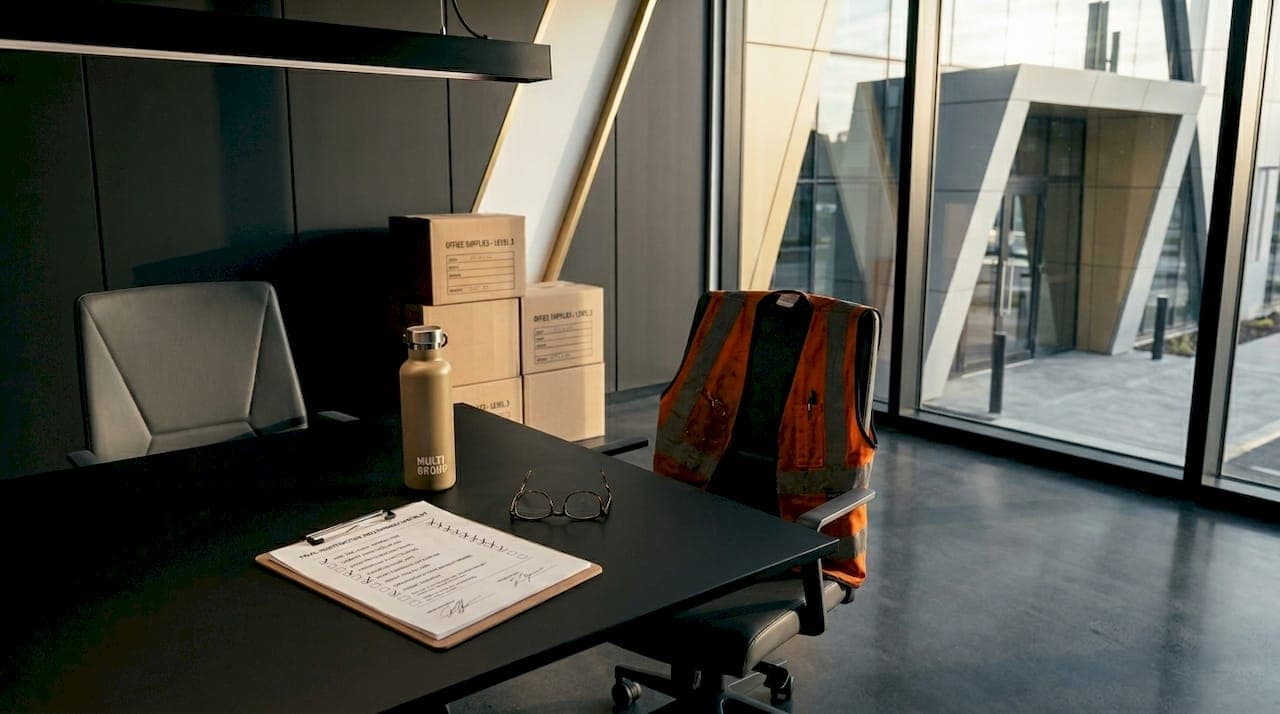
Most people assume a construction project ends when the last worker leaves the site. That assumption can be expensive. What is post-construction service, exactly? It's the structured phase of activities that begins after physical construction wraps up and carries a property through safe, documented, fully operational occupancy. This phase covers everything from final cleaning and commissioning to punch list resolution, warranty transfers, and documentation handover. For property owners, developers, and contractors in Metro Vancouver and beyond, understanding this phase is the difference between a property that performs well from day one and one that generates costly surprises down the road.
Table of Contents
- Key takeaways
- What post-construction service actually includes
- Post-construction cleaning services explained
- Construction project closeout: what's at stake
- Benefits of post-construction services for owners and developers
- How to plan and select post-construction service options
- My take on post-construction services after years on the ground
- Work with Multigroup on your next project in Metro Vancouver
- FAQ
Key takeaways
| Point | Details |
|---|---|
| More than cleaning | Post-construction service covers inspections, commissioning, documentation, and defect resolution, not just cleanup. |
| It's a transition phase | The post-construction phase begins at substantial completion and ends when operational control fully transfers to the owner. |
| Documentation has lasting value | Warranties, O&M manuals, and as-built drawings protect your investment long after the contractor leaves. |
| Cleaning requires a phased approach | Effective post-construction cleaning happens in multiple passes to address resettled dust and construction residue. |
| Closeout affects your finances | Retainage release and final payments depend on completing punch list items and submitting required documentation. |
What post-construction service actually includes
Post-construction service refers to all activities performed after a building reaches physical completion, with the goal of making the space safe, functional, and ready for occupancy. It is not a single event. It is a structured transition phase with multiple components running in parallel or sequence.
The phase typically begins at substantial completion, the point at which the building is usable for its intended purpose even if minor items remain outstanding. From there, the post-construction phase continues through contractor demobilization, permit closures, defects liability period initiation, and formal owner occupancy. Think of it as the handover system that connects the construction team to the property operator.
The core components of what post-construction includes are:
- Final cleaning and detailing: Removing all construction dust, debris, adhesive residue, paint marks, and packaging materials from every surface
- Building systems commissioning: Testing and verifying that HVAC, electrical, plumbing, fire suppression, and other mechanical systems perform as designed
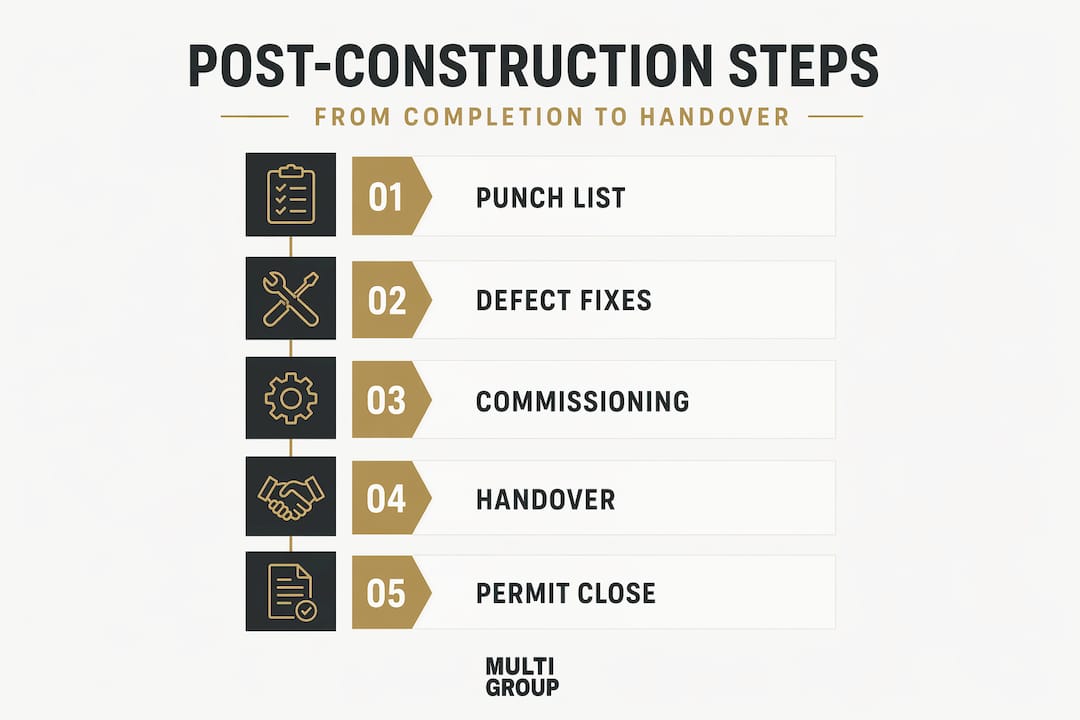
- Punch list resolution: Identifying and correcting all deficiencies noted during the final walkthrough before formal sign-off
- Defect rectification: Addressing any workmanship issues that fall within the defects liability period
- Documentation handover: Delivering as-built drawings, warranties, operation and maintenance (O&M) manuals, commissioning reports, and compliance certificates
- Permit and regulatory closeout: Closing open permits with the relevant municipal authority
Pro Tip: Request your complete handover package in digital format from day one. Physical binders get lost; a well-organized digital folder of warranties and manuals will save facility managers significant time during the first year of occupancy.
The closeout stage is not just administrative. It transfers legal and operational control from the contractor to the owner, and every item on that list has downstream consequences if skipped or rushed.
Post-construction cleaning services explained
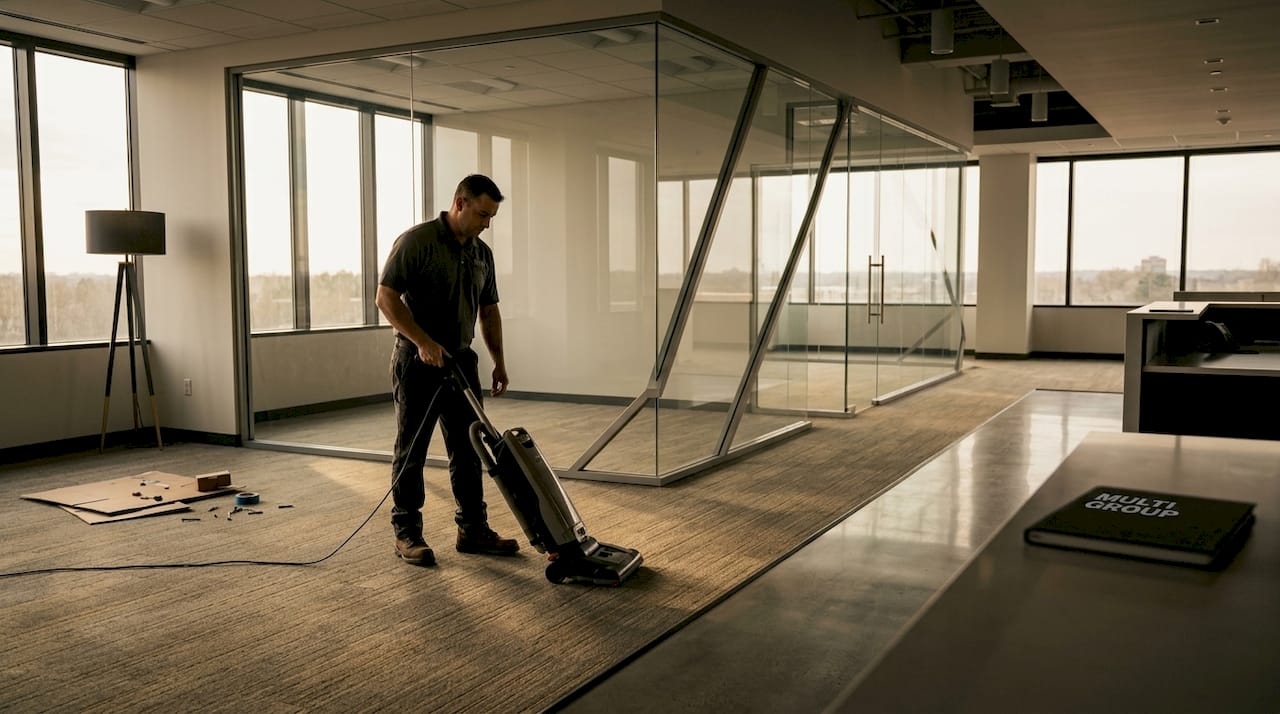
Post-construction cleaning is one of the most visible and immediately necessary components of the post-construction phase. It is also one of the most misunderstood. Regular cleaning removes everyday dirt. Post-construction cleaning removes a fundamentally different category of contamination, including fine drywall dust that penetrates HVAC systems, adhesive residue on glass and tile, grout haze on floor surfaces, and concrete splatter on fixtures.
A phased approach is standard practice, and skipping phases produces poor results. Here is how the process typically unfolds:
- Rough clean: The construction crew removes bulk debris, leftover materials, and packaging. This happens before or during final trade work and is usually the contractor's responsibility.
- Detailed follow-up clean: A professional cleaning crew performs a thorough pass covering all surfaces, windows, cabinetry interiors, fixtures, and floors. Specialized tools including HEPA vacuums and safe scrapers are used at this stage.
- Final touch clean: Waiting 24 to 48 hours after the detailed clean allows resettled dust to land. A final pass then addresses what the second stage missed, producing a truly move-in ready result.
- HVAC and duct cleaning: Construction dust infiltrates duct systems even when vents are covered. Professional duct cleaning before HVAC commissioning prevents contaminated air from circulating once the building is occupied.
Pro Tip: Schedule HVAC duct cleaning before the final touch clean, not after. Running the system while construction dust is still in the ducts will immediately redeposit debris on every clean surface.
Post-construction cleaning services are not a luxury or a finishing touch. They directly affect occupant health, the perceived quality of the completed work, and the longevity of finish materials. Floors sealed over grout haze fail prematurely. Windows left with adhesive residue attract scratching. Getting this right from the start protects the craftsmanship underneath.
Construction project closeout: what's at stake
Closeout is where post-renovation service options become legally and financially significant. Property owners often underestimate how much rides on this structured sequence of activities.
The closeout process moves through distinct stages: punch list generation, punch list resolution, certificate issuance, final inspections, documentation submission, and final payment release. Each step depends on the previous one. Substantial completion enables occupancy but does not release retainage. Final completion requires full punch list resolution, documentation delivery, and sign-off.
Here is a quick comparison of the two key completion milestones:
| Milestone | What it means | What it enables |
|---|---|---|
| Substantial completion | Building is usable for its intended purpose | Owner occupancy; defects liability period begins |
| Final completion | All punch list items resolved; full documentation delivered | Retainage release; warranty periods confirmed; contract closed |
Retainage, typically 5 to 10 percent of contract value, is held until final completion is certified. This means incomplete documentation or unresolved deficiencies directly delay contractor payment and create friction between all parties.
The documentation handover deserves particular attention. Comprehensive handover packages include electrical and gas compliance certificates, fire alarm test results, emergency lighting certificates, commissioning data, equipment warranties, O&M manuals, and as-built drawings. Each document protects a specific operational or compliance function. Missing one can create liability gaps or void warranties.
Permit closure is equally important, particularly in Metro Vancouver where renovation permits in Vancouver must be formally closed with the city after inspections pass. An open permit on a property can surface during resale or lease negotiations and create unexpected delays.
Benefits of post-construction services for owners and developers
The benefits of post-construction services extend well beyond the immediate handover period. Owners and developers who invest in thorough closeout processes protect their properties on multiple fronts.
- Reduced long-term maintenance costs: Properly commissioned systems run at design efficiency from the start. Defects caught during the liability period are the contractor's responsibility to fix, not the owner's expense.
- Compliance and liability protection: Compliance certificates and inspection records document that the building met code at handover, which matters significantly if questions arise later.
- Facility management effectiveness: Detailed commissioning records and as-built drawings give facility managers accurate reference points for every system in the building, reducing diagnostic time and repair costs over the building's life.
- Occupant satisfaction and safety: Proper cleaning and commissioning eliminate dust, verify air quality, and confirm that life safety systems function correctly before anyone moves in.
- Dispute prevention: Clear sign-off processes, documented punch list resolution, and structured retainage release reduce the ambiguity that leads to contractor disputes.
- Warranty period clarity: When defects appear during the liability period, thorough documentation establishes baseline conditions and allocates responsibility clearly.
For developers managing multiple projects or large tenant improvement programs across Burnaby, Richmond, or Surrey, these benefits compound. A well-documented handover on one project becomes a template that improves efficiency and quality across an entire portfolio.
How to plan and select post-construction service options
Securing effective post-construction services requires planning that starts before construction finishes, not after. Here are the practical steps to follow:
- Define your service scope early. Confirm with your contractor which post-construction services are included in the contract, including cleaning phases, commissioning, and documentation delivery. Identify any gaps that require separate engagement of specialized service providers.
- Coordinate cleaning timing with contractor demobilization. Rough cleaning should align with trade completion schedules. Detailed and final cleaning cannot begin until all construction activity in that area is finished. Overlapping these stages wastes both time and money.
- Request a complete handover package in writing. Specify exactly what documentation you expect: as-built drawings, all equipment warranties, O&M manuals, commissioning reports, and all compliance and inspection certificates. Make this a contract deliverable, not an afterthought.
- Establish a punch list process at the start of the project. Agree on how deficiencies will be logged, assigned, and closed. Using a shared tracking tool prevents the disputes that arise when punch list items are recorded inconsistently.
- Plan for the defects liability period. Assign a point of contact on your team to manage defect notifications during the liability period, typically 12 months after substantial completion. Prompt reporting protects your right to remediation at no cost.
- Work with contractors who know local regulations. Vancouver commercial construction involves specific permit, inspection, and occupancy certificate requirements. A contractor with local experience will manage these efficiently and reduce the risk of compliance gaps at closeout.
My take on post-construction services after years on the ground
I've worked on projects where post-construction was treated like a checkbox, and I've seen what happens as a result. Systems that weren't commissioned properly fail within the first winter. Punch list items that got "resolved" on paper but not in practice turn into warranty disputes six months later. And owners who didn't receive complete handover packages spend real money recreating documentation that should have been delivered on day one.
What I've learned is that post-construction is a transfer of operational knowledge, not just a transfer of keys. The physical work is done, but the contractor still holds critical information about how the building was built and how it should be maintained. Getting that information fully documented and properly handed over is the whole point of this phase.
The most common failure I see is rushed punch list resolution. Teams feel pressure to close out and get paid, so items get marked complete before they are actually fixed. Unresolved punch list items are a leading cause of post-construction disputes, and they're almost entirely preventable with a clear, documented process agreed upon before construction ends.
My practical advice: treat post-construction services as a project within the project. Give it a schedule, assign ownership, and hold the same standard of accountability you applied to the construction phase itself. The clients I've seen do this consistently get better outcomes, fewer surprises, and stronger relationships with their contractors.
— Momo
Work with Multigroup on your next project in Metro Vancouver
Multigroup Contracting manages the full construction lifecycle for commercial and residential clients across Metro Vancouver, including Burnaby, Richmond, Surrey, Coquitlam, and North Vancouver. From tenant improvements and warehouse renovations to retail buildouts and high-end residential interiors, Multigroup brings the same structured approach to closeout and handover that it applies to every phase of a project. Licensed and insured in BC, Multigroup coordinates post-construction cleaning, commissioning, documentation, and permit closure so that owners receive a fully ready property, not just a finished one. Reach out to Multigroup directly to discuss your project requirements.
Contact Multigroup Contracting: Phone: 778-819-5933 Email: info@multigroup.ca Website: multigroup.ca
FAQ
What does post-construction service include?
Post-construction service includes final cleaning, building systems commissioning, punch list resolution, defect rectification, and documentation handover. Deliverables typically cover warranties, O&M manuals, as-built drawings, and compliance certificates.
How is post-construction cleaning different from regular cleaning?
Post-construction cleaning removes construction-specific contamination such as drywall dust, adhesive residue, grout haze, and paint marks using specialized tools like HEPA vacuums. It happens in multiple phases and goes far beyond the scope of standard deep cleaning.
When does the post-construction phase end?
The post-construction phase ends at final completion, when all punch list items are resolved, full documentation is delivered, and the contract is formally closed. This milestone also triggers retainage release and confirms warranty period start dates.
Why is handover documentation important?
Handover documentation gives property owners and facility managers the reference records needed to operate, maintain, and service the building correctly over its lifetime. Missing documents can void warranties and create liability gaps.
How long does the defects liability period last?
The defects liability period typically lasts 12 months from the date of substantial completion, though this varies by contract. During this period, the contractor is responsible for remedying defects in workmanship or materials at no additional cost to the owner.