
TL;DR:
- Interior fit out transforms an unfinished building shell into a fully functional space through staged construction. It involves planning, design development, infrastructure installation, and finishing to ensure operational efficiency, safety, and brand identity. Working with experienced local contractors reduces risks, ensures compliance, and helps projects stay on schedule and budget.
If you've received a bare concrete shell from a landlord or are planning a new business location, understanding what is interior fit out is the first thing you need to get right. An interior fit out is the process of transforming an empty or unfinished building interior into a fully functional, occupiable space. It's not simply interior design, and it's not quite the same as a renovation either. The global fit out market was valued at US$59.75 billion in 2023 and is projected to reach US$128.88 billion by 2033, reflecting just how much demand there is from businesses and property owners worldwide.
Table of Contents
- Key takeaways
- What is interior fit out and how does the process work
- Types of interior fit outs explained
- Why a professional interior fit out matters
- Common challenges and how to handle them
- Interior fit out in practice: commercial and residential examples
- My take on what actually makes fit outs succeed
- How Multigroup can manage your fit out from start to finish
- FAQ
Key takeaways
| Point | Details |
|---|---|
| Fit out vs. renovation | A fit out starts from a shell or minimally finished state; a renovation updates an existing interior. |
| Three core fit out types | Shell & Core, Category A, and Category B differ in scope, finish level, and cost. |
| Plan before you build | A thorough project brief prevents mid-construction changes and keeps your budget intact. |
| Local expertise matters | Metro Vancouver's building codes and logistics require a contractor who knows the region. |
| Both commercial and residential | Fit outs apply to offices, retail, hospitality spaces, and private homes with equal relevance. |
What is interior fit out and how does the process work
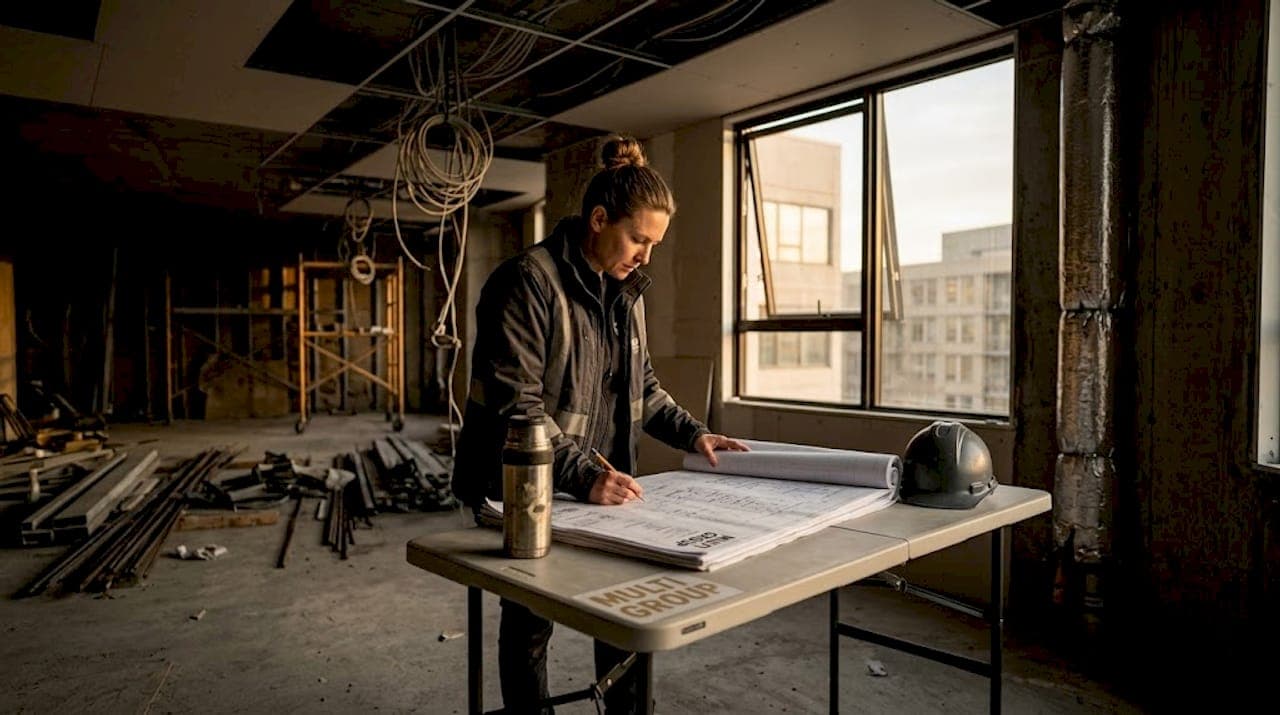
At its most fundamental level, an interior fit out transforms an empty shell into a functional space by installing walls, ceilings, lighting, flooring, plumbing, HVAC systems, and furniture. Think of a newly constructed commercial building: the developer hands the tenant a raw, unfinished floor plate. Everything you see in a finished office, restaurant, or retail store had to be built out from that blank starting point. That is the interior fit out process.
The typical phases of a fit out project follow a logical sequence:
- Assessment and brief development. The project starts by defining what the finished space needs to accomplish. For a business, this means documenting headcount, workflow patterns, technology requirements, budget, and any sustainability goals. For a homeowner, it means understanding how each room will function.
- Design development and approvals. An architect or designer produces drawings based on the brief. Permit applications are submitted to the local authority. In Metro Vancouver, this phase includes coordination with city offices in Burnaby, Richmond, Surrey, or whichever municipality applies.
- Shell and core preparation. The base building condition is confirmed. Any structural modifications are completed before the interior trades begin.
- Infrastructure installation. Electrical, mechanical, plumbing, and HVAC systems are roughed in. This is the most technically complex phase.
- Finishing works. Partition walls, flooring, ceilings, and lighting fixtures are installed. This is where the space starts to look recognizable.
- Furniture, fixtures, and equipment. Built-in millwork, freestanding furniture, signage, and technology are placed and connected.
- Testing, commissioning, and handover. Systems are tested, inspections are completed, and the space is formally handed over to the client.
Careful coordination of trades across electrical, mechanical, and plumbing phases is critical. When these are not properly sequenced, delays and cost overruns follow almost without exception.
Pro Tip: Document every scope decision in writing before construction begins. Verbal agreements about finishes or fixture locations are one of the leading causes of expensive mid-project variations.
Types of interior fit outs explained
Understanding the types of interior fit outs helps you set realistic expectations for cost, timeline, and what you will actually get at the end. The industry recognizes three primary levels.
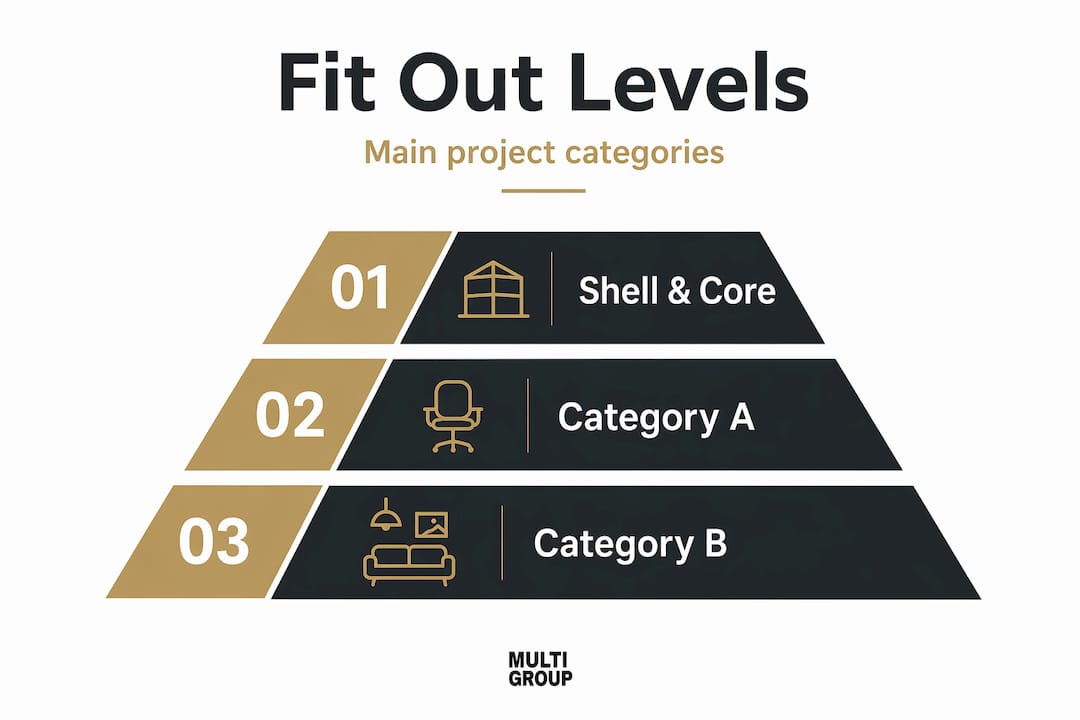
Shell & Core describes a building that has been constructed but left in its most basic state. The structure, facade, and central services are in place, but individual floors have no finished ceilings, no internal partitions, and often no completed restrooms. Tenants or owners take responsibility for everything from there.
Category A fit out takes the shell and adds the basic layers that make a floor plate lettable. This typically includes:
- Raised access flooring or screeded concrete
- Suspended ceilings with basic lighting
- Mechanical and electrical distribution to the floor
- Fire detection and suppression systems
- Finished common areas and restrooms
Category B fit out is where customization happens. Category B is the most popular level for commercial tenants because it personalizes the workspace with branded finishes, custom partitions, built-in millwork, furniture, audio-visual systems, and the full interior design treatment. For a coffee shop in North Vancouver or a law firm in downtown Vancouver, the Category B scope is what creates the identity of the space.
| Fit out type | Starting condition | Scope of work | Typical use case |
|---|---|---|---|
| Shell & Core | Structural frame only | Structure, facade, core services | Developer handover to tenant |
| Category A | Shell with basic MEP | Ceilings, floors, basic lighting | Generic lettable office space |
| Category B | Category A base | Custom fit, branding, furniture | Occupied commercial or residential space |
Residential fit outs do not always follow these exact labels, but the logic applies. A gut renovation that starts from bare walls and subfloor follows the same general sequence and scope considerations as a commercial project.
Why a professional interior fit out matters
A well-executed fit out does more than make a space look good. For businesses, the layout and finishes directly affect how staff work, how customers perceive the brand, and whether the space passes safety and compliance inspections. For homeowners, a properly fitted interior translates to comfort, durability, and long-term property value.
Key benefits worth understanding:
- Operational efficiency. The right floor plan and infrastructure choices support the way a business actually functions, reducing friction and wasted movement throughout the workday.
- Brand identity. A retail buildout or hospitality space communicates brand values the moment a customer walks in. Finishes, lighting, and layout all contribute to that first impression.
- Code compliance and safety. Professional fit outs include fire-rated assemblies, accessible design, and electrical compliance that protect occupants and satisfy local inspectors.
- Sustainability. Eco-friendly materials and energy-efficient lighting are increasingly standard expectations in both commercial and residential fit outs, driven by client demands and building regulations.
- Property value. Quality finishes and durable infrastructure increase the long-term value of any property, whether it is a commercial lease space in Coquitlam or a single-family home in Surrey.
Pro Tip: If your fit out involves a leased commercial space, ask your landlord for the existing mechanical drawings before design begins. It can save weeks of survey work and prevent costly surprises behind the ceiling.
Common challenges and how to handle them
Every fit out project faces predictable friction points. Knowing them ahead of time puts you in a far better position to avoid them.
- Incomplete briefs. A solid project brief that defines headcount, technology needs, budget, and sustainability goals is the single most effective tool for avoiding expensive mid-project changes. Skipping this step is the most common reason projects go over budget.
- Scope creep. Changes requested after construction begins multiply in cost. A partition wall that costs $2,000 in the planning phase can cost $8,000 after the ceiling and electrical are already in place.
- Trade coordination failures. Without a clear construction schedule, trades conflict with each other. Electricians who cannot access ceiling spaces because the drywall is already up is a real and frequent scenario.
- Budget misalignment. Many clients underestimate the full cost of a fit out because they price finishes without accounting for demolition, permits, inspections, or project management fees.
- Regulatory compliance. Metro Vancouver's building codes and municipal requirements vary between cities like Burnaby, Richmond, and North Vancouver. A contractor unfamiliar with local regulations can cost you weeks in resubmissions.
Working with a licensed local contractor who has a documented track record in your specific municipality is not a luxury. It is a practical risk reduction strategy.
For deeper guidance on managing a commercial project in this region, the commercial buildout guide for Vancouver businesses covers the five key phases in detail.
Interior fit out in practice: commercial and residential examples
Understanding the concept is one thing. Seeing how it applies in real project contexts makes the decision-making process much clearer.
Commercial fit outs vary significantly depending on the building type and end use. Common scenarios include:
- Office tenant improvements. A company leases a raw floor in a commercial tower in downtown Vancouver. The fit out covers partitions, boardrooms, server rooms, and staff amenities.
- Retail buildouts. A clothing retailer opens in a Burnaby mall. The fit out includes custom shelving, lighting design, dressing rooms, and point-of-sale infrastructure.
- Hospitality spaces. A restaurant or coffee shop in Richmond requires a kitchen exhaust system, walk-in cooler, bar millwork, and dining area finishes, all within a tight timeline.
- Warehouse conversions. Industrial spaces in Surrey or Coquitlam are fitted out with mezzanine levels, office pods, and staff washrooms to support distribution or light manufacturing operations.
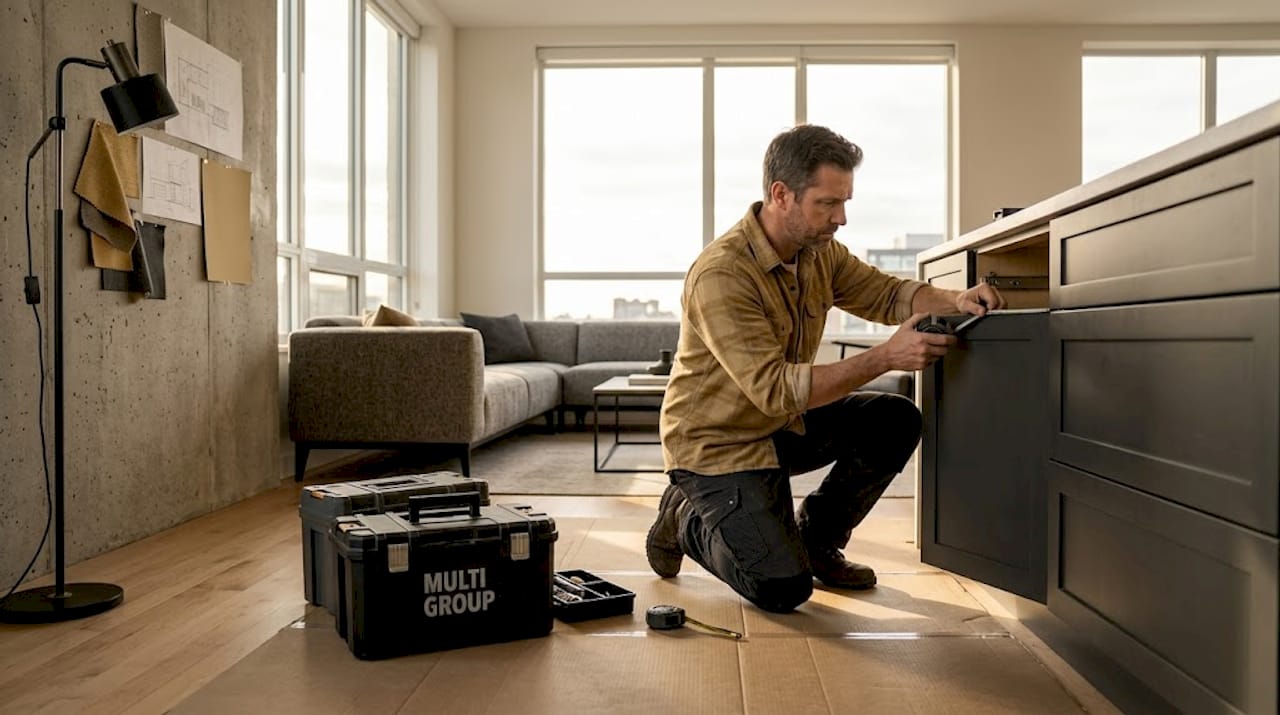
Residential fit outs follow similar logic but with different priorities. Turnkey residential projects emphasize custom finishes, move-in readiness, and personalized layouts. A homeowner in North Vancouver retrofitting a basement suite is completing a fit out, even if they would not use that term. The process, trades involved, and permit requirements are structurally the same.
The difference between commercial and residential projects usually comes down to timeline pressure, occupancy load requirements, and the volume of mechanical and electrical work involved. Commercial projects tend to move faster and involve more regulatory checkpoints. Residential projects allow for more iterative design decisions along the way.
My take on what actually makes fit outs succeed
I've seen fit out projects at every level of complexity, from simple office partitions to full hospitality builds. What separates the successful ones is almost never the budget. It is how thoroughly the client and contractor aligned before a single wall went up.
In my experience, the clients who invest two or three extra weeks in refining their brief before construction starts almost always finish on time. The ones who push to start immediately because they feel the planning phase is "wasted time" tend to spend that time anyway, at much higher cost, making changes mid-build.
What most people do not realize is that an interior fit out is not a linear creative process. It is a sequenced technical exercise with a creative layer on top. The sequence matters. If the mechanical rough-in is not coordinated with the ceiling plan before framing starts, you end up with conflicts that nobody wants to solve under time pressure.
I also think the value of local contractor knowledge is genuinely underestimated. Metro Vancouver is not a generic market. Every municipality has its own inspection culture, preferred submission formats, and response timelines. A contractor who has built in Richmond a dozen times knows how to move a project through that system. One who is learning on your dime does not. That difference shows up in your project schedule and your final invoice.
Proactive, documented communication throughout the project is the other factor I keep coming back to. Not weekly updates for the sake of it, but specific milestone confirmations, written scope sign-offs, and clear change order processes. These protect both the client and the contractor.
— Momo
How Multigroup can manage your fit out from start to finish
Multigroup Contracting handles the full interior fit out process for commercial and residential clients across Metro Vancouver, including Burnaby, Richmond, Surrey, Coquitlam, and North Vancouver, as well as Seattle and Portland. From tenant improvements and retail buildouts to warehouse renovations and high-end residential interiors, Multigroup brings licensed, insured expertise to every phase of the project.
Multigroup manages permits, trade scheduling, inspections, and client communication so that your project moves on time and within budget. Whether you are fitting out a new commercial space or transforming a residential property, the team's local knowledge of Metro Vancouver's building environment means fewer surprises and faster approvals. Learn more about Multigroup's construction services or reach out directly at 778-819-5933, info@multigroup.ca, or visit multigroup.ca to request a consultation.
FAQ
What does fit out mean in construction?
Fit out refers to the process of installing interior systems and finishes to make an empty or unfinished space functional and ready for occupation. It includes electrical, mechanical, plumbing, flooring, ceilings, partitions, and furniture installation.
What is the difference between a fit out and a renovation?
A fit out starts from a raw or minimally finished interior shell, while a renovation updates or modifies an existing interior. Fit outs typically involve more infrastructure work because there is less existing in place to build on.
What are the three main types of interior fit outs?
The three types are Shell & Core, Category A, and Category B. Category A provides basic finishes and services, while Category B adds full customization including branded finishes, furniture, and technology.
How long does an interior fit out take?
Timelines vary by project size and complexity. A small office tenant improvement may take six to ten weeks, while a full commercial hospitality build can run four to six months depending on permit timelines and scope.
Do I need a permit for an interior fit out in Metro Vancouver?
Most interior fit out projects in Metro Vancouver require building permits, particularly for work involving electrical, plumbing, mechanical systems, or partition walls. A licensed contractor familiar with local Metro Vancouver regulations will manage this process on your behalf.