
TL;DR:
- Choosing the right construction materials affects a project's durability, cost, and environmental impact.
- Proper assessment of material lifecycle, certifications, and code compliance is essential for success.
Construction materials are defined as the physical substances used to build, renovate, or repair structures, and selecting the right ones determines a project's structural integrity, cost, and long-term performance. The types of construction materials available today range from traditional concrete and steel to bio-based and recycled alternatives. The building sector accounts for 37% of global greenhouse gas emissions, making material selection a direct lever on environmental impact. For contractors and developers working under the BC Building Code, every material choice also carries compliance and permitting implications. Getting this decision right from the start saves time, money, and rework.
1. What are the main types of construction materials?
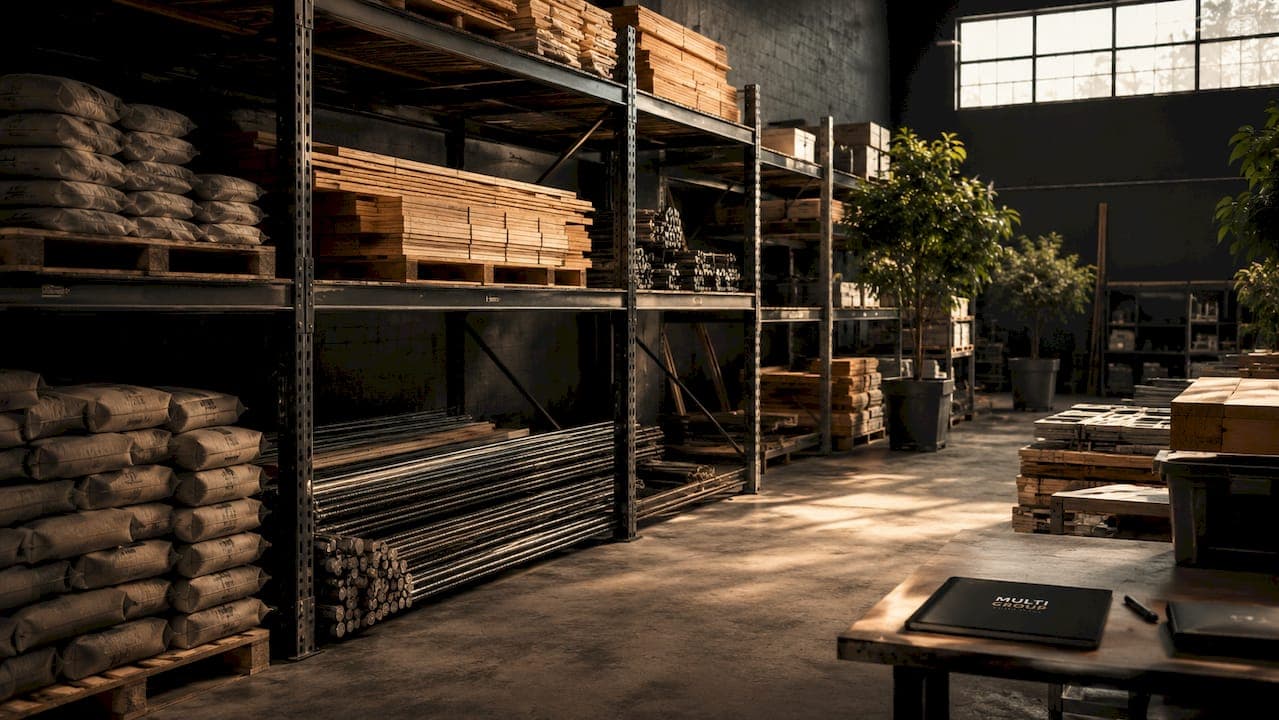
Construction materials fall into four broad categories: structural materials, finishing materials, insulating materials, and sustainable or advanced materials. Structural materials carry load and define a building's frame. Finishing materials cover surfaces and define aesthetics. Insulating materials control heat, sound, and moisture. Sustainable materials cut across all three categories by prioritising lower environmental impact and longer lifecycles. Understanding these categories helps contractors and homeowners in Metro Vancouver match the right material to the right application before permits are pulled.
2. Concrete: the most widely used structural material
Concrete is the most widely used construction material in the world. It is made by combining cement, water, and aggregates such as sand and gravel, then allowing the mixture to cure into a hard, load-bearing mass. Standard Portland cement concrete works well for foundations, slabs, and columns. Precast concrete panels speed up commercial builds by allowing factory production and on-site assembly.
One of the most notable advances in this category is Engineered Cementitious Composite (ECC), commonly called bendable concrete. ECC is 500 times more resistant to cracking than conventional Portland cement concrete. That level of crack resistance makes it well suited to seismic zones, bridges, and high-traffic flooring in warehouse and retail environments.
Pro Tip: Always verify the cement grade specified in your structural drawings before ordering. Using an incorrect grade can create hidden vulnerabilities that only appear under stress years after construction.
3. Steel: strength, recyclability, and structural versatility
Steel is the primary structural material for large commercial and industrial builds. It offers a high strength-to-weight ratio, which allows longer spans with fewer columns. This makes it the preferred choice for warehouse renovations and open-plan retail buildouts across Metro Vancouver. Structural steel is also one of the most recycled materials in construction, reducing the demand for virgin ore and lowering embodied carbon.

Recycled steel retains the same mechanical properties as new steel when properly processed. Contractors should confirm that steel sections carry certified mill test reports and meet the grades specified under the BC Building Code. Using an uncertified or misgraded steel section is a compliance risk that can delay permit approvals and create liability.
4. Wood and mass timber: renewable structural options
Wood has been a primary building material in British Columbia for centuries, and engineered wood products have expanded its structural applications considerably. Mass timber products such as cross-laminated timber (CLT), laminated veneer lumber (LVL), and glued-laminated timber (GLT) are formed by mechanically bonding softwood layers. Mass timber products offer strength, versatility, and a lower carbon footprint compared to steel and concrete.
CLT panels can replace concrete slabs in mid-rise residential and commercial builds. They arrive prefabricated, which reduces on-site labour and speeds up project schedules. For residential construction trends in Greater Vancouver, mass timber is gaining traction as developers seek to meet both aesthetic and sustainability targets. Multigroup works with mass timber on projects where the BC Building Code permits its use, particularly in tenant improvements and new commercial builds.
5. Brick and masonry: durability and thermal performance
Brick and masonry materials include fired clay bricks, concrete blocks, and natural stone. These materials are valued for their compressive strength, fire resistance, and thermal mass. Thermal mass means the material absorbs heat during the day and releases it slowly at night, which reduces heating and cooling loads in Metro Vancouver's mild but variable climate.
Masonry walls require less maintenance than wood-framed walls over a 50-year lifespan. They are also resistant to rot, pests, and moisture intrusion. For commercial renovation projects in Vancouver, brick is often retained as a feature wall during tenant improvements, preserving character while meeting current fire and structural codes.
6. Sustainable construction materials gaining prominence
Sustainable building materials fall into three main groups: rapidly renewable resources, recycled or reclaimed products, and natural or earthen materials. Each group offers distinct environmental and performance benefits.
Key options in each group include:
- Bamboo: Bamboo matures in 3–5 years, making it one of the fastest-renewable structural and decorative materials available. It is used in flooring, cladding, and structural panels.
- Hempcrete: A bio-based composite of hemp hurds and lime, hempcrete provides insulation and vapour regulation. It is not load-bearing but works well as infill in timber-framed walls.
- Mycelium composites: Grown from fungal root structures, mycelium panels are fully compostable and used in non-structural insulation and packaging applications.
- Reclaimed wood: Salvaged timber from deconstructed buildings retains structural value when assessed for integrity. It reduces demand for new lumber and lowers project embodied carbon.
- Recycled steel: As noted above, recycled steel performs identically to new steel and significantly reduces the energy required for production.
- Cellulose insulation: Made from recycled paper fibre, cellulose insulation provides effective thermal sealing and is a common choice in residential retrofits.
Lifecycle analysis is critical when evaluating eco-friendly materials. A material labelled "natural" is not automatically sustainable if its production, transport, or disposal generates significant emissions. True sustainability requires assessing the full lifecycle, from extraction through end-of-life reincorporation.
Deconstruction and salvage of structural steel, bricks, and timber reduces waste and can be cost-effective when materials are vetted for structural integrity. Multigroup applies this approach on commercial renovation projects in Metro Vancouver where salvage is feasible and code-compliant.
7. Innovative and advanced construction materials
Advanced materials are reshaping what is possible in both new builds and renovations. Several are now commercially viable and relevant to projects in BC.
- 3D printed concrete: Concrete is extruded through a robotic nozzle in programmed layers, reducing formwork costs and enabling complex geometries. It is used in custom architectural elements and low-rise residential structures.
- Geopolymer cement: Made from industrial byproducts such as fly ash and slag, geopolymer cement produces significantly lower carbon emissions than Portland cement. It meets structural performance standards and is gaining acceptance under updated building codes.
- Aerogel insulation: Aerogel panels deliver extremely high thermal resistance in very thin profiles, making them useful in retrofits where wall thickness is constrained.
- Photovoltaic glass: Glass panels embedded with solar cells generate electricity while functioning as standard glazing. They are used in commercial facades and skylights.
Pro Tip: When specifying advanced materials for a permitted project in BC, request third-party test reports and confirm the material has been evaluated under the BC Building Code or an accepted equivalency pathway before finalising your specifications.
8. How to choose the right building material for your project
Choosing the right material requires balancing four criteria: technical performance, economic cost, environmental impact, and social factors such as occupant health and local supply chains. Research shows that environmental criteria hold a 36.4% relative weight in sustainable building material selection frameworks, outweighing technical, economic, and social factors. That weighting reflects growing regulatory and client pressure, but it does not mean the other criteria can be ignored.
The table below summarises key material categories and their general suitability across common project types in Metro Vancouver.
| Material category | Typical cost range | Environmental impact | Best suited for |
|---|---|---|---|
| Concrete (standard) | Low to medium | High embodied carbon | Foundations, slabs, commercial structures |
| Structural steel | Medium to high | High, but recyclable | Warehouses, long-span commercial builds |
| Mass timber (CLT, GLT) | Medium to high | Low carbon, renewable | Mid-rise residential, tenant improvements |
| Brick and masonry | Medium | Moderate, long lifespan | Facades, feature walls, low-rise commercial |
| Bamboo and bio-based | Low to medium | Very low, rapidly renewable | Interiors, cladding, non-structural infill |
| Recycled and reclaimed | Variable | Very low, circular | Renovations, retail buildouts, TI projects |
| Advanced (geopolymer, ECC) | Medium to high | Low to very low | High-performance and specialised applications |
For residential projects, mass timber and reclaimed wood offer strong sustainability credentials alongside warm aesthetics. For commercial renovation Vancouver projects, recycled steel and geopolymer cement reduce embodied carbon without sacrificing structural performance. For budgeting construction projects, material costs should be assessed alongside installation labour, maintenance cycles, and end-of-life disposal to get a true picture of total cost of ownership.
Always confirm that your chosen materials meet BC Building Code requirements and that your contractor has obtained the necessary permits before work begins. Non-compliant materials can trigger stop-work orders and costly remediation.
Key takeaways
The most effective approach to construction material selection is to balance technical performance, lifecycle sustainability, and BC Building Code compliance from the earliest stage of project planning.
| Point | Details |
|---|---|
| Match material to application | Structural, finishing, and insulating materials each serve distinct roles and must be specified accordingly. |
| Verify grades and certifications | Incorrect cement or steel grades create hidden structural vulnerabilities; always confirm certifications before ordering. |
| Assess full lifecycle | Eco-friendly labels do not guarantee sustainability; evaluate production, use, and end-of-life impacts together. |
| Prioritise salvage where feasible | Deconstructing and reusing structural steel, brick, and timber reduces waste and can lower project costs. |
| Confirm BC Building Code compliance | All materials must meet code requirements and be covered by permits before installation begins. |
What Multigroup has learned about material selection in BC
The conversation about construction materials in BC has shifted noticeably over the past few years. Clients ask about embodied carbon and salvage options far more often than they did even three years ago. That is a positive change. The part that concerns me is when environmental enthusiasm outpaces technical rigour.
I have seen projects where a bio-based or reclaimed material was specified based on its sustainability credentials alone, without a proper structural assessment or code review. The result was either a failed inspection or a costly substitution mid-project. Over-focusing on environmental labels risks neglecting technical durability and economic viability, and that is not true sustainability. It is a shortcut that creates problems downstream.
The most reliable approach I have seen is to bring a licensed contractor into the material selection conversation early, before drawings are finalised. At Multigroup, we work through BC Building Code compliance and permitting requirements as part of our standard project management process, not as an afterthought. That means material choices are validated against structural, fire, and energy performance requirements before they are locked in.
Salvage and reuse are genuinely worth pursuing on renovation projects. Structural steel and old-growth timber recovered from a deconstructed building often outperform new commodity materials in both quality and character. The key is having someone qualified assess the material before it goes back into a structure. Skipping that step is where salvage projects go wrong.
My advice: treat material selection as a technical decision that also happens to have environmental and aesthetic dimensions, not the other way around.
— MultigroupTeam
Multigroup's approach to material selection in Metro Vancouver
Selecting the right materials is only half the work. Getting them specified, permitted, and installed correctly is where projects succeed or fail.

Multigroup is a licensed general contractor serving Metro Vancouver, including Burnaby, Richmond, Surrey, Coquitlam, and North Vancouver. The team manages tenant improvements and commercial renovations from permit application through project completion, with material selection built into the planning process. Whether you are specifying mass timber for a new office buildout or sourcing reclaimed brick for a retail renovation, Multigroup brings BC Building Code expertise and hands-on project management to every decision. Contact Multigroup to discuss your next project and get material recommendations grounded in compliance, quality, and budget.
FAQ
What are construction materials?
Construction materials are the physical substances used to build or renovate structures, including concrete, steel, wood, brick, and sustainable alternatives such as mass timber and recycled products.
What types of construction materials are most sustainable?
Mass timber, recycled steel, reclaimed wood, bamboo, and geopolymer cement are among the most sustainable options. True sustainability requires assessing the full lifecycle of a material, not just its raw composition.
Does the BC Building Code restrict which materials I can use?
The BC Building Code sets minimum performance standards for structural, fire, and energy efficiency. All materials must meet these standards, and some advanced or bio-based materials require an equivalency assessment before they can be approved for permitted work.
How do I choose between concrete and mass timber for a commercial build?
Concrete offers lower upfront cost and broad code acceptance, while mass timber provides lower embodied carbon and faster on-site assembly. The right choice depends on span requirements, budget, and the sustainability targets of the project.
What is the benefit of salvaging materials during renovation?
Salvaging structural steel, brick, and timber from deconstructed buildings reduces landfill waste and can lower material costs. Salvaged materials must be assessed for structural integrity before reuse to meet BC Building Code requirements.