

TL;DR:
- Building permits are essential government authorizations that ensure construction projects comply with safety standards and legal requirements. They involve multiple permits, inspections, and documentation to protect occupants and preserve property value throughout a building's lifespan. Failing to obtain proper permits risks costly delays, fines, and issues during resale or insurance claims.
Building permits are official government authorisations that allow construction, alteration, repair, or demolition work to proceed legally and safely. The role of permits in renovation extends far beyond paperwork. They protect occupants, preserve property value, and create a legal record that follows a building for its entire lifespan. Whether you are a homeowner planning a kitchen gut-renovation in Burnaby or a property developer managing a commercial tenant improvement in downtown Vancouver, understanding how permits work is the single most important step before breaking ground.
What is the role of permits in renovation projects?
Permits authorise renovation work and trigger the inspection process that keeps construction safe and code-compliant. The City of New Orleans describes the permit system as a mechanism where plan review and issuance occur only after compliance with building, electrical, and mechanical codes is verified. That framing applies equally under the BC Building Code: no permit means no verified compliance, and no verified compliance means hidden risk.
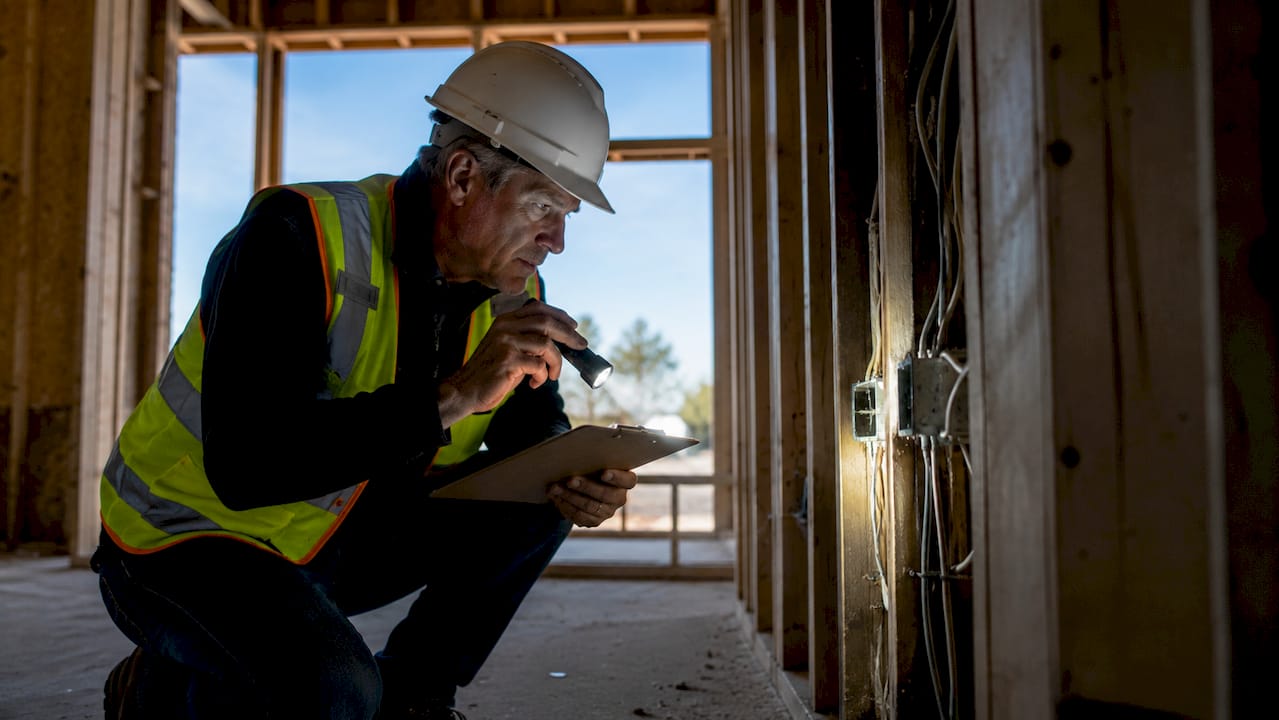
The permit system functions as a risk-management framework protecting occupants, neighbours, contractors, and property value. This is not a government fee dressed up as safety. It is a structured process that forces construction to meet minimum standards at every critical phase, from design approval through to final sign-off. Skipping it does not eliminate the risk; it simply transfers it entirely to the property owner.
In British Columbia, permits are administered at the municipal level. The City of Vancouver, the City of Burnaby, the City of Surrey, and every other Metro Vancouver municipality each issue permits under their own bylaws, though all are anchored to the BC Building Code. This means requirements can vary slightly between jurisdictions, which is one reason working with a licensed contractor who knows local processes is so valuable.
What types of permits are required for renovation projects?
Multiple separate permits may be required concurrently for a single renovation, each issued by a different agency. Understanding which approvals apply to your project prevents costly surprises mid-construction.
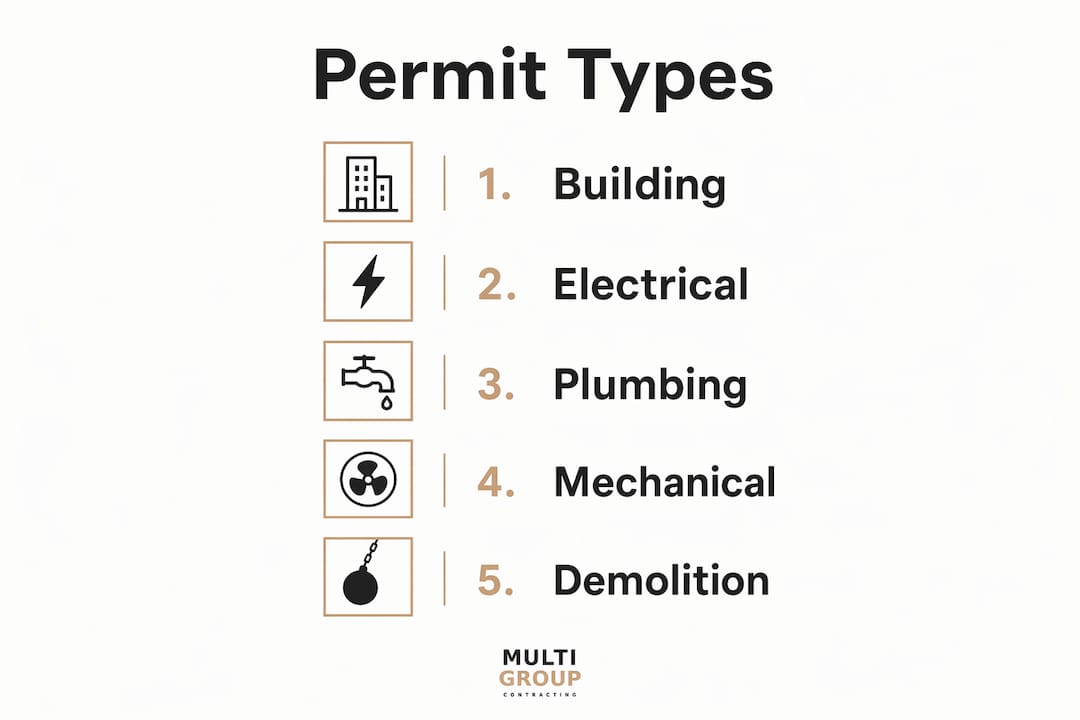
The most common permit types include:
- Building permit: Required for structural work, electrical upgrades, plumbing changes, and mechanical system modifications. This is the primary permit for most residential and commercial renovations.
- Zoning or land-use permit: Confirms that the proposed use and site changes comply with municipal zoning bylaws. A zoning permit addresses allowable uses and site compliance, while a building permit focuses on technical construction safety. They are separate approvals, not interchangeable.
- Electrical permit: Required separately in BC for any new wiring, panel upgrades, or electrical service changes. Issued through BC Safety Authority (BCSA).
- Plumbing permit: Required for new drain, waste, vent, or supply line work. Also issued separately in most BC municipalities.
- Environmental or stormwater permit: For larger sites disturbing significant land area, the U.S. EPA's Construction General Permit requires stormwater pollution prevention plans for sites disturbing one acre or more. Canadian municipalities have analogous requirements under provincial environmental regulations.
According to Nolo, permits are needed for adding or removing walls, room conversions, re-roofing, and demolishing parts of a building. This means a seemingly simple project like converting a garage into a living space in Richmond or removing a load-bearing wall in a Coquitlam townhouse will trigger at minimum a building permit, and likely an electrical permit as well.
| Project type | Permits typically required |
|---|---|
| Removing or adding walls | Building permit, possibly electrical |
| Kitchen or bathroom renovation | Building, plumbing, electrical permits |
| Basement suite conversion | Building, electrical, plumbing, zoning |
| Re-roofing | Building permit |
| Commercial tenant improvement | Building, electrical, plumbing, zoning |
Pro Tip: Apply for all required permits at the same time rather than sequentially. Staggered applications are the most common cause of project delays in Metro Vancouver renovations.
How do permit inspections work during a renovation?
Inspections are the enforcement mechanism that gives permits their real value. Inspections at critical milestones prevent concealed construction defects and confirm that work matches the approved plans before it is covered up by drywall or finishes. Once walls are closed, a defective electrical rough-in or an undersized beam becomes exponentially more expensive to fix.
The typical inspection sequence for a residential renovation in Metro Vancouver follows these stages:
- Foundation or footing inspection: Verifies excavation depth, soil conditions, and formwork before concrete is poured.
- Framing inspection: Confirms structural members, connections, and load paths comply with approved drawings.
- Rough-in inspection: Covers electrical wiring, plumbing drain and supply lines, and mechanical ductwork before insulation or drywall is installed.
- Insulation inspection: Checks thermal and vapour barrier installation in applicable projects.
- Final inspection: Confirms all work is complete, all systems are functional, and the project matches the approved permit drawings.
"Permit documents record the owner, contractor, scope of work, and inspection history through final approval." — OC Development Services
That inspection record is not just an administrative formality. It serves as documented proof of compliance for future property sales, mortgage refinancing, and insurance claims. A buyer's solicitor or lender in Vancouver will ask for permit records on any significant renovation. Missing records can stall or kill a transaction.
Pro Tip: Request copies of all inspection sign-off records from your contractor and store them with your property documents. These records have real monetary value at resale.
What are the risks of renovating without proper permits?
Renovating without permits is one of the most expensive decisions a property owner can make, and the consequences compound over time. Stop-work orders are the most immediate enforcement action, triggered when municipal authorities discover unpermitted construction. A stop-work order halts all activity on site until the violation is resolved, which can mean weeks of delay and significant carrying costs on a commercial project.
The financial risks extend well beyond fines:
- Retroactive permitting costs: Obtaining a permit after construction is complete triggers extensive catch-up inspections. Walls may need to be opened to expose rough-in work, and any deficiencies found must be corrected before approval is granted. Retroactive permitting can cost two to three times more than obtaining the permit before construction.
- Resale complications: Unpermitted work must be disclosed in BC real estate transactions. Buyers routinely negotiate price reductions or walk away entirely when they discover unpermitted renovations.
- Insurance claim denials: If a fire or flood originates in an area of unpermitted electrical or plumbing work, insurers can deny the claim on the grounds that the work was not code-compliant.
- Liability exposure: Property owners bear direct liability for injuries or property damage caused by unpermitted work that fails to meet safety standards.
The permit and inspection system prevents structural failures, fire hazards, and unsafe electrical and plumbing installations. Bypassing it does not save money. It defers risk until the worst possible moment, whether that is a house fire, a failed home inspection, or a denied insurance claim.
How to navigate the permit application process effectively
The permitting process for renovations is manageable when approached systematically. Confusion between zoning and building permits is the most common cause of compliance problems and enforcement actions, so clarifying which approvals are needed is the correct first step.
A practical approach to the permit application process:
- Define the full scope of work before applying. Permit applications require detailed drawings, specifications, and sometimes engineering reports. Incomplete submissions are the leading cause of application delays at Metro Vancouver municipal offices.
- Confirm zoning compliance first. Before investing in permit drawings, verify that your proposed use or addition is permitted under the applicable zoning bylaw. A zoning pre-application meeting with the municipality costs nothing and can save thousands.
- Work with a licensed contractor who manages permits directly. Contractor-obtained permits link the contractor legally to compliance timelines and inspections, giving you accountability and reducing your personal risk exposure.
- Schedule inspections proactively. In Metro Vancouver, inspection wait times can range from two to five business days. Build inspection windows into your project schedule rather than treating them as afterthoughts.
- Track permit expiry dates. BC building permits typically expire if work does not commence within a set period or if there is a prolonged gap in construction activity. Expired permits require renewal and can trigger re-review of drawings.
For a detailed walkthrough of the process specific to Metro Vancouver, the permit process for renovations guide covers documentation requirements and municipal timelines in depth. Commercial projects, including tenant improvements in Vancouver, carry additional permit layers that require careful coordination between the building permit, electrical permit, and occupancy approval.
Pro Tip: For commercial renovations in Metro Vancouver, budget four to eight weeks for permit approval on a standard tenant improvement. Projects with complex mechanical or structural changes can take longer. Factor this into your lease commencement planning.
Key takeaways
Permits are the legal and technical foundation of every safe, insurable, and resalable renovation project.
| Point | Details |
|---|---|
| Permits authorise and protect | Building permits verify code compliance before work is concealed, protecting occupants and property value. |
| Multiple permits may apply | Building, zoning, electrical, and plumbing permits are separate approvals that may all be required for one project. |
| Inspections create lasting records | Inspection sign-off records support future resale, refinancing, and insurance claims. |
| Unpermitted work is costly | Retroactive permitting, stop-work orders, and insurance denials cost far more than obtaining permits upfront. |
| Licensed contractors reduce risk | Contractors who obtain and manage permits are legally accountable for compliance, reducing owner liability. |
Why permits matter more than most owners realise
Working on renovation projects across Metro Vancouver, from warehouse conversions in Surrey to retail buildouts in Richmond, one pattern stands out consistently: property owners who treat permits as a formality tend to encounter the most expensive problems. The owners who engage with the process early, ask the right questions, and work with contractors who understand local requirements finish projects on time, on budget, and without surprises at resale.
The common misunderstanding is that a building permit covers everything. It does not. A building permit and a zoning permit are distinct approvals, and in BC, electrical and plumbing permits are issued separately again. Missing one of these layers is not a minor oversight. It is the kind of gap that surfaces during a home inspection or an insurance adjustment, at exactly the moment when you have the least leverage to fix it.
The advice that actually protects clients is straightforward: secure all required permits before construction begins, hire a contractor who calls inspections at every required milestone, and keep every piece of permit documentation with your property records. The types of home renovations that generate the most permit complications are also the ones that add the most value, basement suites, structural additions, and full kitchen or bathroom overhauls. Getting the permit process right on these projects is not optional. It is the difference between a renovation that adds equity and one that creates a liability.
— MultigroupTeam
Work with Multigroup on your next permitted renovation

Multigroup handles the full permit and inspection process for residential and commercial renovation projects across Metro Vancouver, including Burnaby, Richmond, Surrey, Coquitlam, North Vancouver, and New Westminster. From BC Building Code compliance to municipal permit submissions and scheduled inspections, the team manages every compliance step so clients can focus on the outcome rather than the paperwork. Whether you are planning a commercial renovation in Vancouver or a residential interior overhaul, Multigroup brings the permit knowledge and licensed contractor accountability your project requires. Contact Multigroup to discuss your project scope and get a clear picture of the permit requirements before construction begins.
FAQ
Do I need a permit for every type of renovation?
Not every renovation requires a permit, but most structural, electrical, plumbing, and mechanical work does. Projects like adding or removing walls, converting rooms, re-roofing, or upgrading electrical panels all require permits under BC Building Code regulations.
What happens if I renovate without a permit in BC?
Renovating without a required permit can result in stop-work orders, fines, and requirements to open walls for retroactive inspections. Unpermitted work must also be disclosed in real estate transactions and can result in insurance claim denials.
How long does it take to get a building permit in Metro Vancouver?
Standard residential building permits in Metro Vancouver typically take two to six weeks for approval, depending on the municipality and project complexity. Commercial tenant improvements with complex mechanical or structural elements can take longer, so early application is critical.
Who is responsible for obtaining permits, the homeowner or the contractor?
Either party can apply, but when a licensed contractor obtains the permit, they are legally linked to the compliance timeline and inspection requirements. This arrangement gives homeowners greater accountability and reduces their personal liability exposure.
What is the difference between a building permit and a zoning permit?
A building permit addresses technical construction safety and code compliance. A zoning permit confirms that the proposed use and site changes comply with municipal land-use bylaws. Both may be required for the same project, and they are issued separately.