
TL;DR:
- Sustainable construction materials reduce environmental impact through lower embodied carbon and responsible sourcing. These materials now match or outperform conventional options in strength, durability, and cost efficiency, especially when used in early design and prefabrication. Effective integration relies on proactive planning, local sourcing, and industry-wide data collection to close the performance gap.
Sustainable construction materials are building materials designed to minimise environmental impact across their full life cycle while delivering the durability and performance a project demands. The construction sector is one of the largest consumers of raw resources globally, and the shift toward eco-friendly building materials is no longer optional for professionals who want to remain competitive and compliant. Standards like LEED and the BC Building Code increasingly reward low-embodied-carbon choices. This guide covers the most promising green building supplies available today, how they perform against conventional options, and how to integrate them into real projects in Metro Vancouver and beyond.
What are sustainable construction materials?
Sustainable construction materials are defined by three criteria: reduced embodied carbon, responsible sourcing, and verified end-of-life recyclability or biodegradability. These criteria separate genuine environmentally sustainable materials from products that simply carry a green label. Embodied carbon refers to the greenhouse gas emissions produced during extraction, manufacturing, and transport. A material can perform well on-site and still carry a heavy environmental footprint if its supply chain is energy-intensive.
Certifications like LEED v4, BREEAM, and the Living Building Challenge provide third-party frameworks for evaluating these criteria. In British Columbia, the BC Energy Step Code and Vancouver's Zero Emissions Building Plan add regulatory weight to material selection decisions. Professionals who understand these frameworks gain a real advantage when tendering commercial renovation projects or applying for permits.
The role of sustainability in construction has shifted from a marketing talking point to a procurement requirement. Developers, property managers, and institutional clients now routinely specify low-carbon materials in tender documents. Ignoring this shift means losing bids.
What are the most innovative sustainable construction materials being used today?
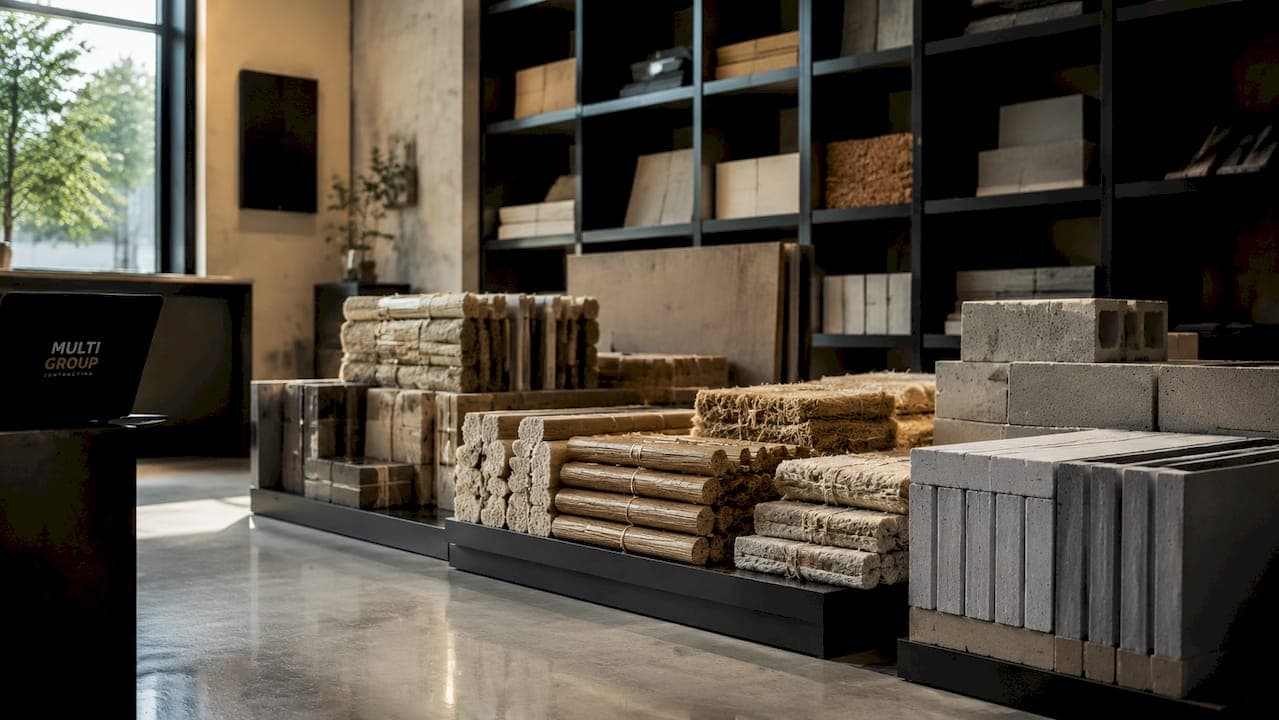
Research is producing a new generation of eco-friendly building materials that outperform conventional options on both environmental and mechanical measures. Three categories stand out for construction professionals right now.
Ground Granulated Blast Furnace Slag (GGBS) with recycled carpet fibres
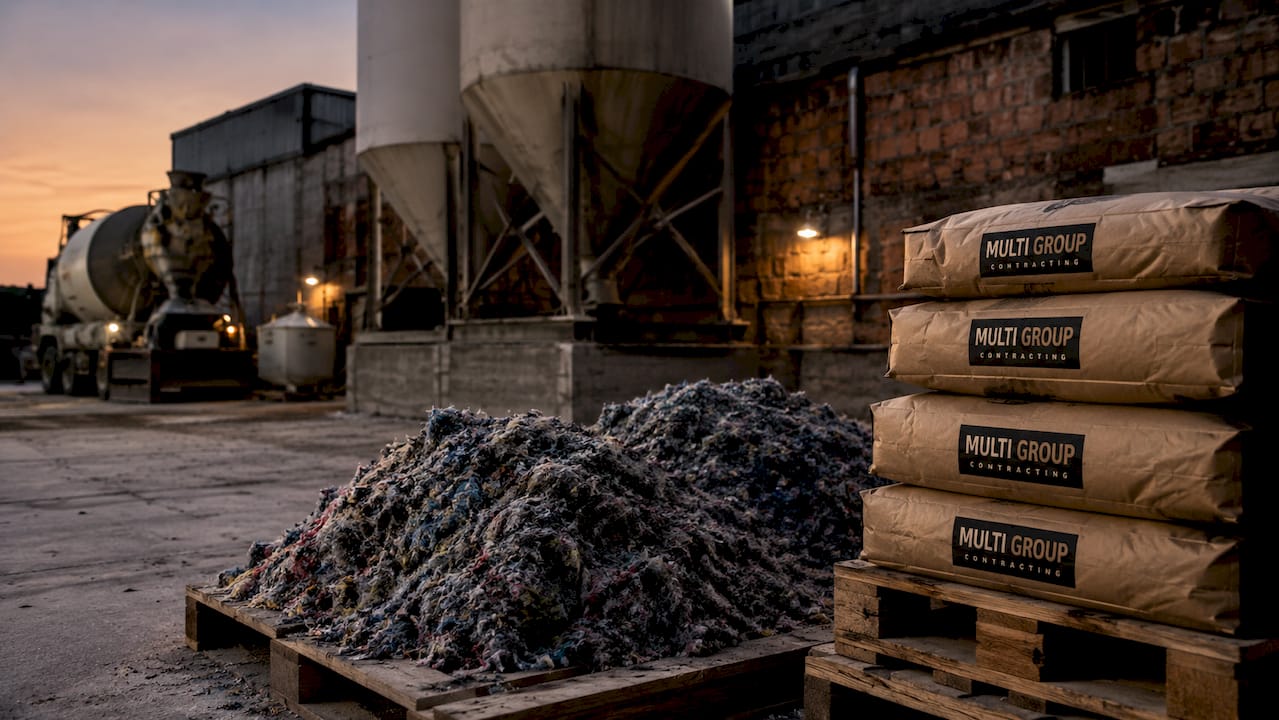
GGBS is a byproduct of steel manufacturing that replaces Portland cement in concrete and rammed earth mixes. When combined with recycled carpet fibres, the results are measurable. GGBS with recycled carpet fibres reduces the environmental footprint of rammed earth walls by 12% and boosts compressive strength 3.7 times compared to unstabilised earth. That strength gain is significant. It means a wall system that was previously limited to low-load applications can now carry structural loads in commercial builds.
Treated bio-based fibre reinforcements
Red algae fibres treated with linseed oil and metakaolin coatings represent one of the more surprising advances in renewable construction resources. Treated red algae fibres improve compressive strength by over 23% and reduce internal voids by 67% in compressed earth blocks. Fewer voids mean better moisture regulation and lower thermal conductivity, which translates directly to reduced heating and cooling loads in a finished building.
Carbon-negative polyhydroxyalkanoates (PHAs)
PHAs are bio-based polymers produced through microbial fermentation of organic waste. The ECOFUNC project targets carbon-negative PHA panels that carry a global warming potential below 0.5 kg CO2-eq/m². That figure sits far below conventional petrochemical panels. The same project projects life cycle cost reductions of up to 20% over the building's operational period.
Pro Tip: When specifying bio-based or recycled reinforcements, always confirm the pre-treatment method used by the manufacturer. Untreated fibres can reduce mechanical performance; treated fibres consistently improve it.
Key material categories to track for upcoming projects:
- GGBS blended cements and stabilisers for rammed earth and concrete
- Treated natural fibres (algae, hemp, flax) for compressed earth and masonry blocks
- PHA bio-based panels for cladding and interior partitions
- Recycled aggregate concrete for non-structural and structural pours
- Cross-laminated timber (CLT) for mass timber structural systems
How do sustainable materials perform compared to traditional materials?
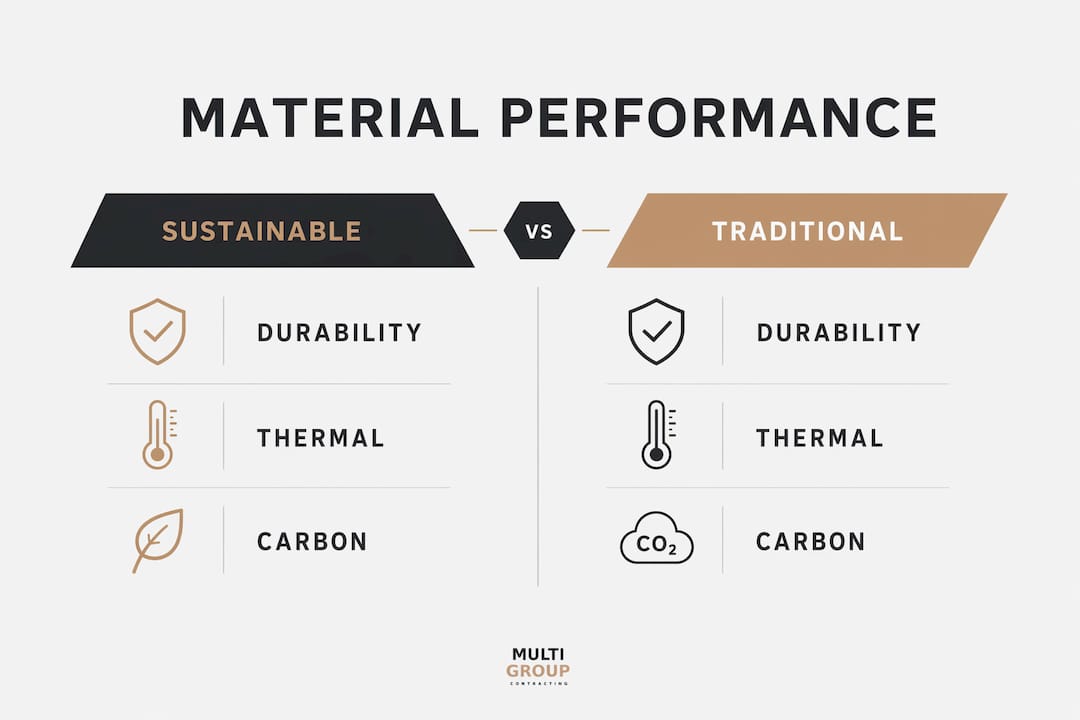
The performance question is the one most property managers and developers ask first. The short answer is that treated and engineered sustainable materials now match or exceed conventional materials across most key metrics.
Mechanical strength and durability
Fibre pre-treatment is the single biggest variable in bio-based reinforcement performance. Alkaline or oil-metakaolin coatings improve fibre-to-matrix adhesion and reduce voids significantly. Untreated fibres can weaken a mix; treated fibres increase compressive strength by more than 20%. This is not a minor adjustment. It is the difference between a material that passes structural review and one that does not.
Thermal and moisture performance
Treated red algae fibre blocks reduce thermal conductivity by 8–13% compared to untreated equivalents. Lower conductivity means less heat transfer through walls, which reduces mechanical HVAC loads. In Metro Vancouver's mixed climate, that performance benefit compounds over the building's life.
Embodied carbon and life cycle costs
| Material | Embodied carbon advantage | Life cycle cost benefit |
|---|---|---|
| GGBS blended mixes | Significant reduction vs Portland cement | Lower material cost per tonne |
| Treated bio-fibre blocks | Reduced vs conventional masonry | Reduced HVAC operating costs |
| PHA bio-based panels | Below 0.5 kg CO2-eq/m² | Up to 20% life cycle cost reduction |
| Recycled carpet fibre reinforcement | 12% footprint reduction | Diverts waste from landfill |
Pro Tip: Request Environmental Product Declarations (EPDs) from suppliers before specifying any material. EPDs provide verified, third-party data on embodied carbon and are increasingly required for LEED documentation in BC.
The main challenge is data variability. Sustainable materials adoption faces a "performance gap" because most durability data comes from laboratory conditions rather than site-specific, long-term field studies. Developers in Metro Vancouver need local climate performance data, not just European or Australian test results. That gap is closing, but it remains a real procurement risk for projects with tight performance guarantees.
What are the best practices for integrating sustainable materials in construction projects?
Integrating recycled construction materials and bio-based products into a live project requires more than swapping one product for another. It requires a structured approach from the earliest design stage.
-
Start sustainability decisions at concept design. Material choices made at the concept stage cost almost nothing to change. The same choices made during construction documentation cost significantly more. Early integrated planning transforms sustainability from a constraint into an enabler of better project delivery, balancing cost, quality, and deadlines simultaneously. Multigroup builds this review into its pre-construction process for every commercial renovation in Metro Vancouver.
-
Use Design for Manufacture and Assembly (DfMA) methods. Factory-controlled manufacturing reduces material waste, improves quality consistency, and allows sustainable materials to be incorporated under controlled conditions. Prefabricated wall panels using GGBS or CLT arrive on-site ready to install, cutting both labour hours and waste. Pre-construction planning that accounts for DfMA methods consistently delivers better cost and schedule outcomes.
-
Source locally produced and recycled materials. In Metro Vancouver, locally sourced materials reduce transport emissions and support regional supply chains. BC produces significant volumes of timber, recycled aggregate, and reclaimed steel. Specifying these materials first reduces embodied carbon before a single design decision is made about insulation or cladding.
-
Confirm pre-treatment specifications before procurement. For any bio-based or recycled fibre reinforcement, require written confirmation of the treatment method from the supplier. This single step prevents the most common performance failures in sustainable material applications.
-
Plan for waste minimisation on-site. Construction managers drive sustainability outcomes through materials sourcing, waste reduction, and prefabrication decisions on-site. Assign clear responsibility for waste tracking to a named team member. Set diversion targets before the project starts, not after.
-
Verify BC Building Code compliance for all substitutions. Any material substitution in a permitted project requires code review. In BC, this means confirming compliance with the BC Building Code and, where applicable, the Vancouver Building By-law. Non-compliant substitutions create permit delays that erase any cost savings from the sustainable material choice.
What are the challenges and future trends in sustainable materials adoption?
The biggest obstacle to wider adoption is not cost. It is the performance gap between laboratory results and site-specific, long-term field data. Developers require local, long-term performance evidence before committing to materials that carry higher perceived risk. This is rational behaviour, not resistance to change. The solution is better data collection on completed projects, shared across the industry.
Economic feasibility is improving. PHA bio-based panels project life cycle cost reductions of up to 20%, which changes the financial case for adoption significantly. A material that costs more upfront but reduces operating costs over 30 years is a sound investment for any commercial property owner.
Circular economy practices are advancing the field further. Chemical and mechanical recycling of biopolymers now allows PHA panels to be reprocessed at end of life rather than sent to landfill. This closes the material loop in a way that conventional petrochemical products cannot match.
Sustainability is increasingly a core design driver and a licence to operate, not a constraint or an add-on. Projects that integrate sustainability from the design stage achieve better long-term value and stronger regulatory compliance. Failing to do so risks producing stranded assets that cannot meet future code requirements or tenant expectations.
The construction manager's role is central to closing the gap between design intent and site reality. Construction managers who lead on low-embodied-carbon materials, on-site recycling, and lean construction techniques deliver measurably better sustainability outcomes than those who treat it as a documentation exercise.
Key takeaways
Treated and engineered sustainable construction materials now match conventional materials on strength and durability while delivering measurable reductions in embodied carbon and life cycle costs.
| Point | Details |
|---|---|
| Define materials by life cycle criteria | Evaluate embodied carbon, sourcing, and end-of-life recyclability before specifying any material. |
| Pre-treatment determines performance | Treated bio-fibres increase compressive strength by 20%+ and reduce voids by up to 67%. |
| Integrate sustainability at concept stage | Early design decisions cost nothing to change and deliver the best cost and schedule outcomes. |
| Close the performance gap with local data | Require site-specific, climate-relevant performance data from suppliers, not just lab results. |
| Construction managers drive outcomes | Assign clear sustainability responsibilities to named team members before the project starts. |
Why I think sustainability is the most misunderstood part of a construction project
Most professionals I speak with treat sustainable material selection as a compliance exercise. They tick the LEED box, specify one recycled product, and move on. That approach misses the actual opportunity.
Sustainability as a licence to operate is not a slogan. It is a commercial reality. Tenants in Metro Vancouver increasingly require green building credentials before signing leases. Institutional clients require EPDs in tender documents. A project that cannot demonstrate low-embodied-carbon material choices is losing bids it does not even know it is losing.
The other misconception is that sustainable materials cost more. They can, upfront. But life cycle cost reductions of up to 20% from advanced bio-based panels change that calculation entirely. The professionals who understand this are the ones winning the more valuable projects.
What actually works, in my experience, is treating the "golden quadrilateral" of cost, schedule, quality, and sustainability as a single design problem rather than four competing ones. DfMA and prefabrication are the tools that make all four achievable at once. The construction managers who learn to use those tools early in a project are the ones who deliver on all four, consistently.
— MultigroupTeam
Multigroup's approach to sustainable construction in Metro Vancouver
Multigroup works with property managers, business owners, and developers across Vancouver, Burnaby, Richmond, Surrey, and the wider Metro Vancouver region to deliver commercial and residential projects that meet BC Building Code requirements and sustainability goals simultaneously.

Whether the project is a tenant improvement in a downtown Vancouver office tower or a retail buildout in Surrey, Multigroup's pre-construction process includes material review, permit coordination, and waste minimisation planning from day one. The team sources locally produced, low-embodied-carbon materials where specifications allow and manages all substitution approvals with the relevant building authority. Contact Multigroup to discuss how sustainable material choices can improve your next project's performance, cost profile, and long-term compliance.
FAQ
What are sustainable construction materials?
Sustainable construction materials are building products selected for low embodied carbon, responsible sourcing, and recyclability or biodegradability at end of life. They must also meet the structural and durability requirements of the project.
How much stronger are treated bio-fibre materials than untreated ones?
Treated bio-based fibres increase compressive strength by more than 20% compared to untreated equivalents and reduce internal voids by up to 67%, significantly improving durability and thermal performance.
Do sustainable materials cost more than conventional materials?
Upfront costs can be higher, but carbon-negative PHA bio-based panels project life cycle cost reductions of up to 20%, making them financially competitive over a building's full operational period.
What certifications apply to sustainable materials in BC?
LEED v4, BREEAM, and the Living Building Challenge provide third-party evaluation frameworks. In British Columbia, the BC Energy Step Code and Vancouver's Zero Emissions Building Plan add regulatory requirements that directly influence material selection.
How do construction managers support sustainable material integration?
Construction managers drive sustainability outcomes by leading on low-embodied-carbon material sourcing, on-site waste reduction, and prefabrication methods. Assigning clear sustainability responsibilities before a project starts is the most effective way to close the gap between design intent and site delivery.