
TL;DR:
- Early signs of home issues include recurring repairs, lifestyle mismatches, and structural problems. Recognizing these indicators and acting promptly can prevent costly failures and ensure safety. Planning renovations 3 to 6 months ahead helps avoid delays and unnecessary expenses.
A renovation is defined as the process of restoring or improving a property to better meet safety, functional, or aesthetic standards. Recognising the signs you need a renovation early prevents minor issues from becoming expensive structural failures. The average home age in North America rose from 31 years in 2006 to 41 years in 2023, which means most homes in Metro Vancouver are carrying systems and finishes well past their intended lifespan. Knowing when to renovate your home is not guesswork. It is a matter of reading the right indicators before the cost of inaction outweighs the cost of the work itself.
1. What are the signs you need a renovation?
The clearest home renovation indicators fall into three categories: recurring repair problems, functional misalignment with your lifestyle, and visible structural or aesthetic deterioration. Each category signals a different level of urgency. Together, they form a practical renovation checklist for any homeowner or property manager assessing their space.

Addressing these signs early protects your investment. Deferred maintenance compounds quickly, and what starts as a $500 repair can become a $15,000 structural fix within two to three years of neglect.
2. Recurring repairs that signal a deeper problem
Fixing the same problem more than once is the clearest sign that patchwork maintenance has reached its limit. Repeated repairs indicate a systemic issue that surface fixes cannot resolve. A leaking roof patched twice in three years is not a roofing problem. It is a waterproofing and structure problem.
Common recurring repair patterns that signal a broader renovation need include:
- A dripping faucet or slow drain that returns within months of repair
- Flickering lights or tripping breakers after electrical work
- Broken or cracked tiles that keep lifting in the same area
- Persistent mould or mildew returning after cleaning and sealing
- Doors or windows that stick again after adjustment
73% of remodellers report increased requests for aging-in-place features over the past five years. That trend reflects a broader reality: older homes require systemic updates, not repeated spot repairs.
Pro Tip: Keep a simple repair log with dates, costs, and the issue addressed. If the same problem appears three or more times, that pattern is your renovation trigger.
3. Your home no longer fits your lifestyle
Homes that no longer support daily routines cause frustration and avoidance, which are reliable signs your house needs work. This is not a cosmetic concern. It is a functional one. When your layout creates friction every day, the home is working against you.
Lifestyle misalignment shows up in specific, recognisable ways:
- You avoid a room because it feels unusable or uncomfortable
- A growing family has outgrown the bedroom or bathroom count
- Remote work demands a dedicated office that does not exist
- An empty nest leaves large, unused rooms that drain heating costs
- The kitchen layout makes cooking for more than two people impractical
Mortgage rate conditions have pushed many homeowners toward renovating rather than selling. That shift makes functional renovation a genuine lifestyle investment, not just a cosmetic upgrade. Reviewing residential design principles before committing to a layout change helps you avoid redesigning twice.
4. Structural and safety issues that require immediate action
Structural problems are the most urgent home renovation indicators. They do not improve with time, and they carry real safety consequences for occupants. Recognising the difference between a cosmetic crack and a structural one is a skill every property owner needs.
Foundation and structural warning signs
| Warning Sign | Severity | Action Required |
|---|---|---|
| Horizontal foundation cracks | High | Contact a licensed contractor immediately |
| Cracks wider than 1/4 inch or growing | High | Professional structural assessment required |
| Uneven or sloping floors | Medium to High | Inspect subfloor and foundation |
| Sagging or bowing ceilings | High | Check for water damage and structural load |
| Doors and windows sticking after no adjustment | Medium | May indicate foundation shift |
Horizontal foundation cracks wider than 1/4 inch, or cracks that grow over time, require professional intervention. Vertical hairline cracks from settling are generally cosmetic. Horizontal cracks indicate lateral pressure on the foundation wall, which is a structural failure mode.
Water damage and mould presence compound structural risk. Mould growth behind walls or under flooring signals moisture intrusion that has been active long enough to compromise building materials. In Metro Vancouver's wet climate, this is a particularly common and serious indicator.
Pro Tip: If you notice two or more structural warning signs at the same time, contact a licensed contractor in BC for a formal inspection before attempting any repairs yourself. A professional assessment under the BC Building Code protects you legally and financially.
5. Outdated features and aging systems
Outdated finishes and aging mechanical systems are reliable signs your house needs work, even when no single item has failed completely. Every component in a home has a functional lifespan, and when multiple systems approach that limit simultaneously, the case for renovation becomes clear.
Typical lifespan benchmarks to watch:
- Kitchen cabinetry and countertops: 15–25 years
- Bathroom fixtures and tile: 20–30 years
- Hardwood or laminate flooring: 20–30 years
- Roof shingles: 20–25 years in BC's climate
- Electrical panels and wiring: 25–40 years
- Plumbing pipes (copper): 50 years; (galvanised steel): 20–50 years
Rising utility bills are a direct signal that insulation, windows, or HVAC systems have degraded. An older home with single-pane windows and insufficient attic insulation can cost significantly more to heat than a renovated equivalent. That cost difference funds a portion of the renovation itself over time.
Outdated electrical panels, particularly Federal Pacific or Zinsco panels still found in older Metro Vancouver homes, present a fire risk. These are not cosmetic concerns. They are safety issues that fall under BC Building Code upgrade requirements when renovation work is permitted.
Understanding why renovation improves value and comfort helps homeowners prioritise which aging systems to address first versus which cosmetic updates can wait.
6. When to renovate: timing and planning considerations
Knowing how to tell if you need a renovation is only half the work. Knowing when to act determines whether the project runs smoothly or becomes a costly disruption. Timing and planning are where most renovation projects succeed or fail.
Contractors recommend contacting for kitchen remodels 3–6 months before the intended start date. That lead time accounts for design consultations, permit applications, material ordering, and contractor scheduling. Skipping this window forces rushed decisions that cost more later.
Key planning considerations for Metro Vancouver homeowners:
- Allow 4–8 weeks for the design and planning phase before construction begins
- Apply for permits early. Vancouver and surrounding municipalities have processing timelines that vary by project scope
- Schedule interior renovations in late fall or winter when contractor availability is higher and pricing is often more competitive
- Budget a contingency of 10–15% above the quoted project cost for unforeseen conditions in older homes
- Confirm your contractor holds a valid BC licence and carries WorkSafeBC coverage
Rushing the design phase causes mid-project change orders, which escalate costs and extend timelines. A well-managed renovation starts with a clear scope before a single wall is touched. Reviewing a homeowner's renovation planning guide before your first contractor meeting puts you in a much stronger position.
Key takeaways
Recognising renovation indicators early, from recurring repairs to structural damage and lifestyle misalignment, is the most cost-effective way to protect your home's safety and value.
| Point | Details |
|---|---|
| Recurring repairs signal systemic issues | Fixing the same problem more than once means a broader renovation is needed, not another patch. |
| Lifestyle misalignment is a valid trigger | Avoiding rooms or outgrowing your layout are reliable signs that functional renovation is overdue. |
| Structural signs require immediate action | Horizontal foundation cracks wider than 1/4 inch and sagging ceilings need professional assessment now. |
| Aging systems carry safety and cost risk | Outdated electrical panels, old plumbing, and poor insulation affect both safety and monthly utility costs. |
| Plan 3–6 months ahead | Contacting a licensed contractor well before your target start date prevents rushed decisions and cost overruns. |
What I've learned about renovation timing in Metro Vancouver
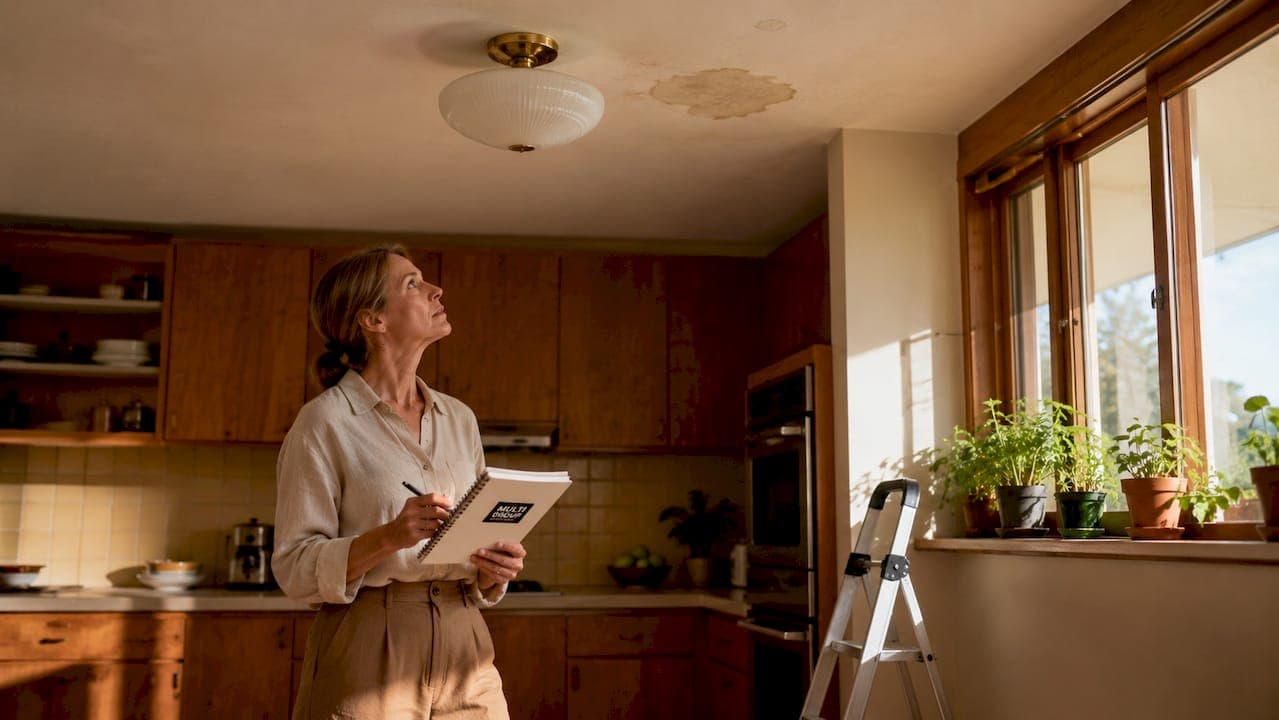
After working on residential and commercial renovation projects across Metro Vancouver, one pattern stands out clearly. Homeowners who wait for a single dramatic failure before calling a contractor almost always spend more than those who act on early indicators. A sagging ceiling that gets addressed at the first sign of water staining costs a fraction of what it costs after the drywall has been saturated for two seasons.
The emotional signs matter too. When clients tell me they avoid their kitchen or feel embarrassed to have guests over, that is not a decorating problem. That is a quality-of-life problem with a construction solution. Renovation is not just about fixing what is broken. It is about aligning your space with how you actually live.
My honest advice: do not wait for the problem to become undeniable. The BC Building Code sets minimum safety standards, but your comfort and daily function set the real standard. If your home is not meeting either, the time to act is now, not after the next winter of drafts and dripping pipes.
— MultigroupTeam
Ready to renovate? Multigroup can help
Multigroup is a licensed Vancouver general contractor serving homeowners and property managers across Metro Vancouver, including Burnaby, Richmond, Surrey, North Vancouver, and Coquitlam.

Whether you need a full residential renovation, tenant improvements for a commercial space, or a targeted upgrade to address structural or safety concerns, Multigroup handles permits, BC Building Code compliance, scheduling, and project management from start to finish. CAD pricing estimates are available on request. Contact Multigroup early in your planning process to secure your timeline and avoid the delays that come with last-minute bookings.
FAQ
How do I know if I need a renovation or just repairs?
Repairs address isolated, one-time failures. A renovation is needed when the same problem recurs, when multiple systems fail together, or when the home no longer supports your daily routine.
What are the most urgent signs a house needs structural work?
Horizontal foundation cracks wider than 1/4 inch, sagging ceilings, and uneven floors are the most urgent indicators. These require a professional assessment before any other renovation work proceeds.
When is the best time to renovate in Metro Vancouver?
Late fall and winter offer better contractor availability and competitive pricing for interior projects. Contact a licensed contractor 3–6 months before your intended start date regardless of season.
Does an outdated kitchen or bathroom always need a full renovation?
Not always. If the layout functions well and the structure is sound, a targeted refresh of surfaces and fixtures may suffice. If the cabinetry, plumbing, and electrical are all past their lifespan, a full renovation delivers better long-term value.
Do I need a permit for a home renovation in BC?
Most structural, electrical, plumbing, and mechanical work in BC requires a building permit under the BC Building Code. A licensed contractor handles permit applications as part of the project scope.