
TL;DR:
- Selecting buildability and effective trade coordination is crucial to avoid costly delays and rework.
- Different buildout types suit various store sizes, budgets, and branding needs, from boutiques to immersive experiences.
- Prioritizing durable systems and early planning over finishes ensures long-term value in Vancouver retail spaces.
Choosing the right retail buildout for your Vancouver store is one of the most consequential decisions you will make as a business owner. The layout, materials, and construction approach you select will shape customer flow, reinforce your brand, and determine how efficiently your space operates for years to come. Vancouver's retail market is competitive, and a poorly executed buildout can cost far more to fix than it would have cost to get right the first time. This guide walks through real-world retail buildout examples, from compact boutiques to immersive branded environments, and gives you the criteria to choose the approach that fits your goals, timeline, and budget.
Table of Contents
- Essential criteria for a successful retail buildout
- Classic boutique buildout: Maximizing style in small footprints
- Open-plan concept stores: Flexibility and future-proofing
- Specialty and branded experience spaces: Integrating storytelling
- Comparing retail buildout types: What's right for your Vancouver business?
- Our perspective: Rethinking retail buildouts for long-term value
- Start your Vancouver retail buildout with expert guidance
- Frequently asked questions
Key Takeaways
| Point | Details |
|---|---|
| Buildability first | Focus on retail buildouts that are easy to construct and maintain for fewer delays and lower costs. |
| Choose the right type | Boutique, open-plan, and branded experience buildouts each suit different business goals and spaces. |
| Speed vs cost tradeoffs | Design-Build methods reduce project time but may cost more upfront than sequential bid methods. |
| Expert guidance pays off | Working with experienced contractors in Vancouver streamlines your project and minimizes costly mistakes. |
Essential criteria for a successful retail buildout
Before exploring specific buildout types, it pays to establish a clear framework. The most visually impressive stores sometimes fail because they were built without a plan that could survive day-to-day retail demands. Every successful Vancouver retail buildout shares a core set of criteria that determines whether the space will perform as well as it looks.
Buildability is the single most important factor that many store owners overlook. Poor trade coordination leads to costly rework and delays that derail timelines and inflate budgets. This means the design must be practical to construct, not just beautiful on paper. If your contractor cannot coordinate plumbing, electrical, and millwork trades efficiently, you will pay for it twice.
Value engineering is the process of finding the most cost-effective materials and methods that still meet your durability and aesthetic standards. In a busy Vancouver retail environment, surfaces and fixtures take a beating. Choosing materials that look great but wear poorly will result in expensive repairs within the first two years of operation.
Other criteria worth building into your planning process include:
- Trade coordination: Ensure your general contractor has a structured schedule for each trade to avoid overlap, waiting time, and rework.
- Code and permit compliance: Vancouver has specific zoning and building code requirements for retail spaces, including accessibility standards and fire egress rules. Permit delays are one of the most common causes of project overruns.
- Timeline alignment: Set a firm opening date and work backward. Know which decisions must be finalized first, such as structural changes, plumbing rough-ins, and HVAC.
- Budget buffer: Reserve 10 to 15 percent of your total budget for contingencies. Even well-managed projects encounter surprises.
You can explore a detailed buildout guide for Vancouver tenants that covers these planning foundations in depth. And if you want to understand how the right construction investment pays off over time, the case for how you can boost value with renovation is well documented.
Pro Tip: Before your contractor draws a single line, write down your top three priorities in order: aesthetics, function, or timeline. Sharing this upfront saves weeks of revision and keeps everyone aligned.
Classic boutique buildout: Maximizing style in small footprints
With foundational criteria in mind, the classic boutique buildout is a natural starting point. It is the most common retail format in Vancouver's commercial corridors, and when done well, it delivers outsized brand impact from a compact footprint.
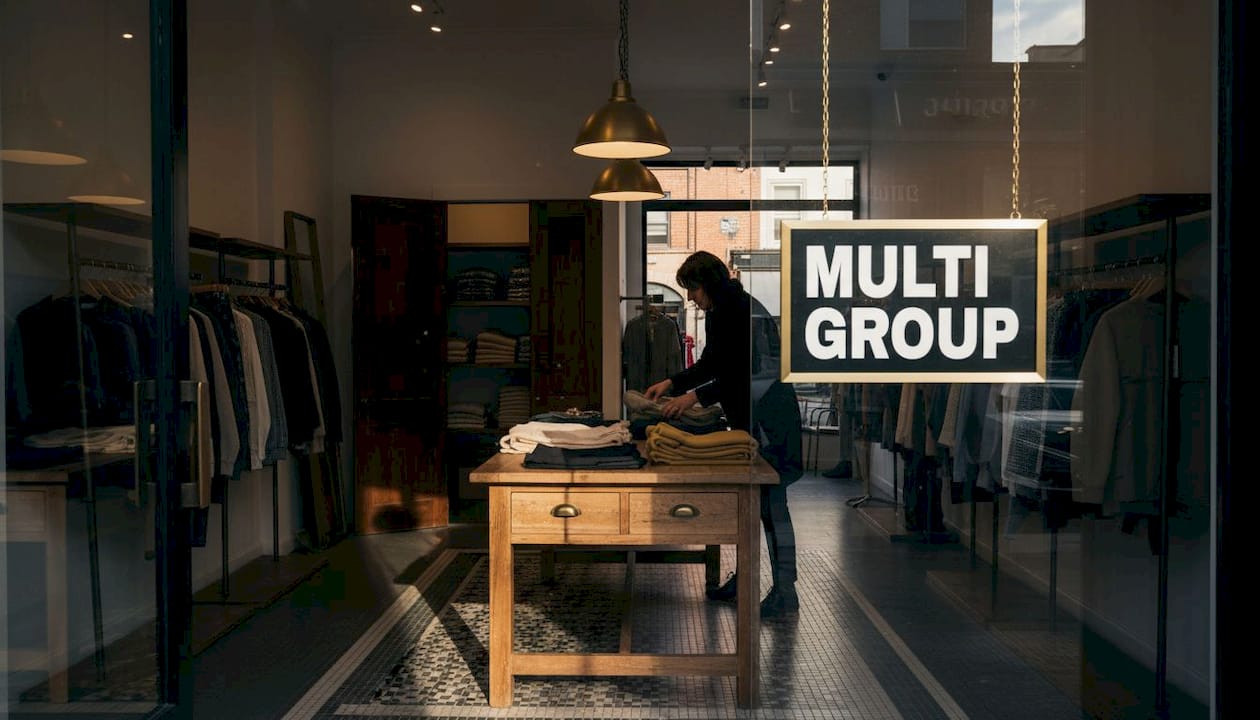
A typical boutique layout features an open floor plan anchored by one or two feature walls. Custom fixtures, including shelving, display cases, and millwork counters, define the merchandise zones without closing off the space. The goal is to guide customers through the store while keeping the environment feel open and curated.
Key features of a successful boutique buildout include:
- High-durability surfaces: Value engineering optimizes durability for high-traffic retail environments, meaning you should select materials like porcelain tile, solid-surface counters, and powder-coated steel fixtures that hold up without constant maintenance.
- Strategic lighting: Layered lighting design, combining ambient, accent, and display illumination, increases perceived product quality and draws customers toward key merchandise areas.
- Feature walls: A well-designed focal wall behind the checkout counter or at the store entrance reinforces brand identity immediately and photographs well for social media.
- Flexible display zones: Movable fixtures and adjustable shelving allow you to refresh the layout for seasonal collections without major construction.
Common pitfalls in boutique buildouts center on storage and crowd flow. Many owners underestimate back-of-house storage needs and end up with product overflow that clutters the sales floor. Plan for at least 15 to 20 percent of your square footage dedicated to storage, even in small spaces.
Pro Tip: Multi-functional furnishings, such as display tables with built-in storage drawers, are one of the smartest investments in a small-format boutique. They improve both merchandising flexibility and operational efficiency. For more on the long-term payoff of thoughtful design, see how renovation value for boutiques compounds over time.
Open-plan concept stores: Flexibility and future-proofing
For retailers who need maximum adaptability, open-plan concept stores are increasingly popular across Vancouver's retail landscape. This format prioritizes flexibility over fixed design, allowing the space to evolve with your inventory, promotions, and customer habits.
Modular fixtures are the backbone of an open-plan store. Freestanding gondolas, grid wall panels, and rolling display units can be repositioned without tools, meaning your team can reset the floor overnight for a new product launch or seasonal event. The minimalist aesthetic that defines this format keeps the space from feeling dated as trends shift.
Key advantages of open-plan concept buildouts include:
- Faster delivery: Design-Build is faster and more collaborative than traditional methods, which is ideal for open-plan formats where fewer complex trade integrations are required.
- Lower ongoing maintenance: Fewer built-in elements mean fewer things to repair or replace as the space evolves.
- Technology integration: Embedded mobile checkout zones, digital signage infrastructure, and flexible power access points can be built into the floor plan from day one.
- Pop-up readiness: Open-plan stores can be partially reconfigured to host vendor pop-ups, trunk shows, or community events without shutting down the full operation.
"Retailers that prioritize flexibility can pivot for promotions and pop-ups seamlessly, turning their physical space into a competitive asset rather than a fixed cost."
The design-build construction method is particularly well suited to open-plan projects because one team controls design and construction simultaneously. This reduces the back-and-forth between architects, engineers, and contractors that often delays more traditional delivery models.
Specialty and branded experience spaces: Integrating storytelling
If brand immersion is your priority, specialty and branded experience spaces represent the most ambitious and impactful retail buildout category. Vancouver retailers in sectors like wellness, premium food and beverage, and lifestyle goods increasingly turn to this format to stand out in a saturated market.
The buildout process for an experiential space typically follows a clear sequence:
- Immersive entrance zone: The moment a customer steps through the door, the environment communicates the brand story through materials, scent, sound, and lighting.
- Product discovery zone: Customers explore curated product groupings, often without traditional shelving. Display fixtures are custom-designed to reflect the product's origin or craftsmanship.
- Interactive or testing area: Hands-on experience with products, whether sampling, trying on, or customizing, drives purchase confidence and time spent in-store.
- Checkout and retention zone: The transaction area is designed to feel like a natural conclusion to the experience, not an abrupt commercial interruption.
For complex experiential buildouts, choosing the right project delivery method matters. Integrated Project Delivery (IPD) equally shares risk among owner, designer, and contractor, making it well suited to projects where design complexity and custom fabrication are high.
| Delivery method | Best for | Speed | Risk sharing | Cost profile |
|---|---|---|---|---|
| Design-Build | Flexible, time-sensitive projects | Fast | Moderate | Moderate |
| IPD | Complex, branded experience spaces | Moderate | High (shared) | Higher upfront |
Connecting with a team experienced in project management for retail spaces is essential for keeping experiential buildouts on schedule and within scope.
Comparing retail buildout types: What's right for your Vancouver business?
Now, let's bring the options together so you can make the most informed decision for your Vancouver retail space.
| Buildout type | Speed | Cost range | Flexibility | Ideal for |
|---|---|---|---|---|
| Classic boutique | Moderate | Mid-range | Low to medium | Brand-focused, small format |
| Open-plan concept | Fast | Lower to mid | High | Multi-category, evolving inventory |
| Branded experience | Slower | Higher | Low | Premium, immersive brand stories |
Choosing between these approaches comes down to a few clear factors:
- Choose a classic boutique buildout when your brand has a strong visual identity, your product range is curated, and your space is under 1,500 square feet.
- Choose an open-plan concept when you anticipate frequent merchandise changes, plan to host events, or want to keep construction costs lower while maintaining a modern look.
- Choose a branded experience space when your product commands a premium price point, customer education is part of the sale, and you have a higher construction budget to invest.
It is worth noting that Design-Bid-Build often has the lowest initial cost but is sequential and slower, making it less practical for Vancouver retail projects with tight opening deadlines. To understand your full range of options, reviewing Vancouver general contractor options helps you find the right partner for your specific buildout type.
Our perspective: Rethinking retail buildouts for long-term value
There is a pattern we see consistently in retail buildout projects. Owners arrive focused on finishes: the tile, the millwork profile, the paint color. These decisions matter, but they tend to consume disproportionate planning time relative to the decisions that actually determine project success.
Poor trade coordination causes most rework, yet it is the item least likely to appear on a client's priority list. When the electrical rough-in conflicts with the HVAC duct layout, and no one catches it until walls are framed, the cost to fix it is three to four times what early coordination would have cost.
Our strongest recommendation is to invest in project management infrastructure and flexible mechanical and electrical systems before you spend a dollar on premium finishes. A space with durable, well-coordinated systems and modest finishes will outperform a beautifully finished space with chaotic infrastructure every time. The future of Vancouver commercial construction points clearly in this direction, with smarter systems and adaptable design replacing the one-time-wow buildout model.
Build for the store you will have in five years, not just the opening day photo.
Start your Vancouver retail buildout with expert guidance
The examples and criteria covered in this guide give you a solid foundation, but translating them into a buildout plan for your specific space requires experienced hands on the ground in Vancouver.
Multigroup Contracting works with Vancouver retail owners through every phase, from initial design consultation and permit handling to construction management and final handover. Whether you are planning a compact boutique, an adaptable open-plan store, or a fully immersive branded environment, the right guidance from day one makes the difference between a stressful buildout and a smooth one. Start your retail buildout with a team that understands Vancouver's permitting landscape, trade coordination requirements, and what it takes to deliver quality retail spaces on time and on budget.
Frequently asked questions
What is a retail buildout and why does it matter for my Vancouver store?
A retail buildout is the process of designing and constructing your store's interior to match your brand, optimize customer flow, and meet functional needs. Buildability and flow are critical factors that directly impact sales performance and the overall customer experience.
How do I choose between a boutique, open-plan, or branded experience buildout?
The right buildout depends on your store size, brand story, and need for flexibility. Each project delivery method suits different risk and speed profiles, so align your choice with your business goals and timeline.
What delivery method should I use for my Vancouver retail buildout?
Design-Build speeds up projects with one team handling design and construction, which is ideal for most retail timelines. Design-Build is faster and more collaborative, while Design-Bid-Build may offer a lower initial cost but typically takes longer to execute.
How can I minimize delays and budget overruns on my retail buildout?
Prioritize clear planning, value engineering, and tight coordination among trades from the very start of the project. Poor trade coordination is a leading cause of costly rework that derails both timelines and budgets.