
TL;DR:
- Vancouver homeowners are opting for renovations over new builds due to rising costs and market uncertainty.
- Key energy-efficient upgrades like insulation, heat pumps, and solar panels offer high ROI and meet BC's Step Code.
- Modern construction methods such as prefab and lean construction improve efficiency, quality, and sustainability.
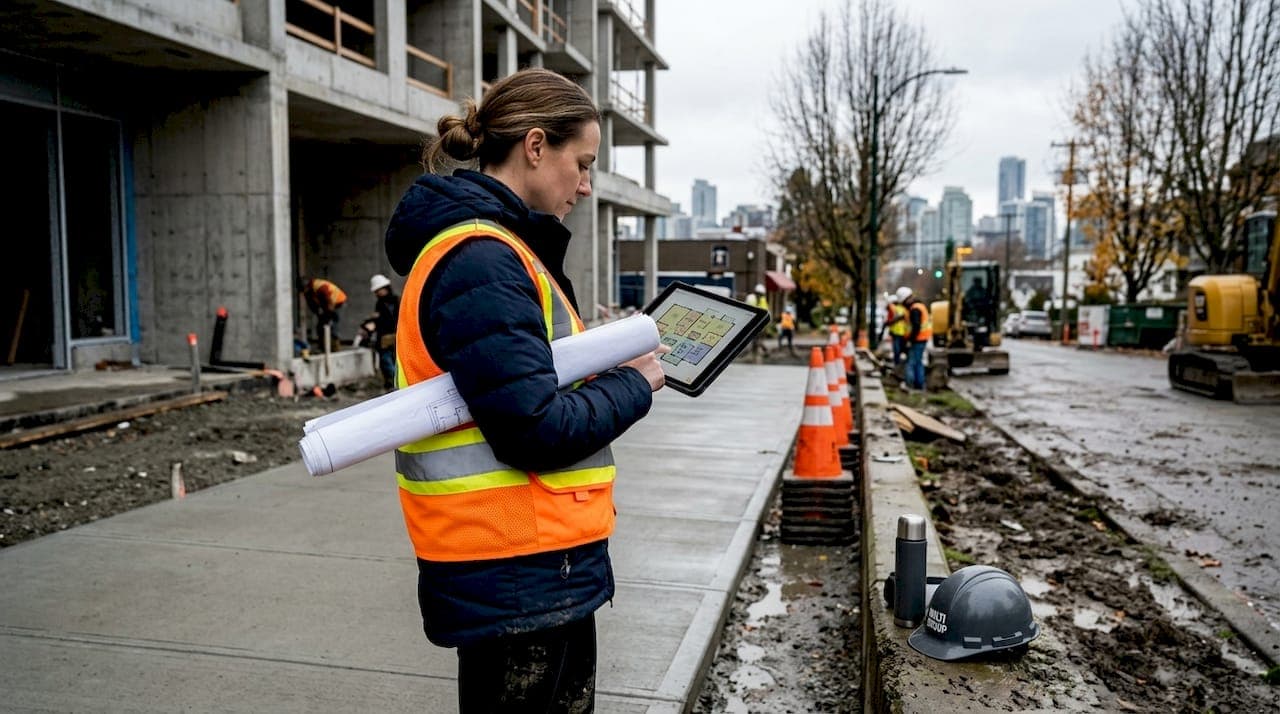
Vancouver homeowners face a sharper set of decisions heading into 2026 than at any point in recent memory. Surging construction costs, a thinning pipeline of new builds, and tightening energy codes are reshaping what it means to invest in your property. Whether you're planning a full custom home or a targeted kitchen upgrade, knowing where the market stands right now can save you significant time and money. This guide covers the current state of Greater Vancouver's residential construction market, why renovations are pulling ahead of new builds, which building methods and energy upgrades offer the best value, and how to decide on the right path for your specific situation.
Table of Contents
- Overview: The state of Vancouver's residential construction market in 2026
- Remodeling surges: Why renovations outperform new builds
- Modern methods: Lean construction, prefab, and building technology
- Energy efficiency and regulatory trends driving decisions
- Comparing options: When to renovate, rebuild, or wait
- Our perspective: The smart path for Vancouver homeowners in 2026
- Ready to act on these trends?
- Frequently asked questions
Key Takeaways
| Point | Details |
|---|---|
| Remodeling is resilient | Renovations and updates deliver more value than new builds in Greater Vancouver's 2026 market. |
| Lean methods save money | Using lean construction and prefab technology cuts costs, emissions, and project timelines. |
| Energy codes drive choices | Regulations like the BC Energy Step Code make efficiency upgrades the smartest investment. |
| Decision depends on goals | Weigh your options—renovate, rebuild, or wait—based on property condition, market data, and ROI. |
Overview: The state of Vancouver's residential construction market in 2026
Greater Vancouver's housing market is at an inflection point. Record numbers of units completed in 2025 created a brief sense of abundance, but that pipeline is thinning fast. 2025 completion statistics show Vancouver hit historic highs in finished units last year, yet the projects feeding that wave were approved years earlier under very different cost conditions.
Today, CMHC forecasts declining starts for Greater Vancouver in 2026, driven by high construction costs, weak home presales, and broad economic uncertainty. Developers are pulling back. That matters for homeowners because fewer new builds mean tighter supply and sustained pressure on resale values.
The major forces shaping the market right now include:
- High hard costs: Labor and materials remain expensive, with no significant relief projected.
- Weak presales: Developers need presales to secure financing. When buyers hesitate, projects stall.
- Economic uncertainty: Interest rate volatility and trade concerns are making both buyers and builders cautious.
- Aging housing stock: A large share of Metro Vancouver homes were built before 1990, creating strong renovation demand.
| Market indicator | 2024 status | 2026 outlook |
|---|---|---|
| New housing starts | Moderate | Declining |
| Unit completions | Record high | Normalizing |
| Renovation activity | Strong | Growing |
| Construction costs | High | Remaining elevated |
The result is a market where homeowners across our Greater Vancouver service areas are pivoting toward renovation and remodeling rather than waiting for affordable new builds. For a deeper look at how local contractors are responding, our overview of Vancouver construction companies outlines what to expect from today's market participants.
"The smartest investment in 2026 is the home you already own." That sentiment is showing up consistently in how local homeowners are allocating renovation budgets this year.
Remodeling surges: Why renovations outperform new builds
With market forces shifting, renovations are making more financial sense than ever. Remodeling and renovations remain strong as a practical alternative to new builds, particularly where aging housing stock and high land costs make ground-up construction difficult to justify.
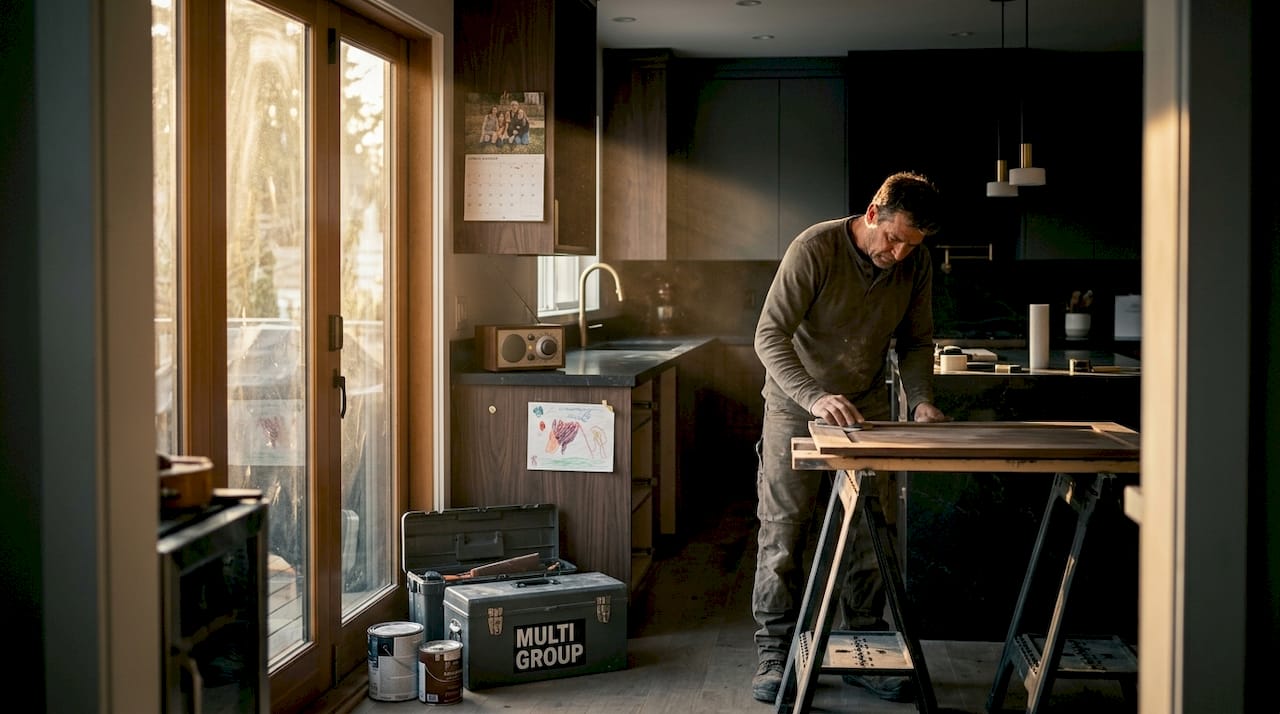
The ROI case is straightforward. Kitchen remodels return 75 to 100% of their cost in added home value. Basement finishing adds livable square footage at a fraction of the cost of a new build. Energy upgrades reduce monthly operating costs while improving your home's rating under BC's Step Code requirements. These returns are hard to match with new construction in the current cost environment.
Here's how renovation compares to a new build on key factors:
| Factor | Renovation | New build |
|---|---|---|
| Upfront cost | Lower | Higher |
| Timeline | 2 to 6 months | 12 to 24 months |
| Permitting complexity | Moderate | High |
| ROI potential | Strong | Variable |
| Risk level | Lower | Higher |
For a successful renovation in 2026, follow these steps:
- Define your goals and budget before contacting contractors.
- Review Vancouver renovation permit rules to understand approval timelines.
- Get at least three quotes and check references.
- Prioritize high-ROI categories: kitchens, bathrooms, and energy systems.
- Build a 15% contingency into your budget for unexpected conditions.
Understanding kitchen and bath renovation costs in Vancouver specifically helps you set realistic expectations before you commit. For a broader view of what's popular right now, our breakdown of 2026 renovation trends covers the categories gaining the most traction.
Pro Tip: Minor energy upgrades paired with cosmetic updates, like new insulation alongside a kitchen refresh, can qualify for rebates while boosting your home's resale appeal without major structural disruption.
Economic uncertainty in housing is actually working in renovators' favor. When the new build market slows, skilled trades are more available and sometimes more competitively priced for remodel work.
Modern methods: Lean construction, prefab, and building technology
For those considering large-scale projects, construction methods are rapidly evolving. Two approaches are gaining real traction in Metro Vancouver: lean construction and prefab or modular building.
Lean construction, specifically the Last Planner System (LPS), is a project delivery method that reduces waste by improving scheduling accuracy and team coordination. Instead of building a rigid timeline and hoping it holds, LPS uses collaborative planning at every phase. The result is fewer delays, less material waste, and more predictable costs.
Lean construction and modern methods improve efficiency and cut waste significantly. Prefab and modular construction take this further by manufacturing building components off-site in controlled factory conditions. The benefits are measurable:
- Time savings: Prefab components arrive ready to install, cutting on-site build time by 20 to 50%.
- Cost control: Factory production reduces labor variability and material waste.
- Emission reductions: Prefab reduces emissions dramatically compared to traditional methods.
- Quality consistency: Factory conditions allow for tighter tolerances and better quality control.
Digital tools are also changing how projects are managed. Building Information Modeling (BIM) creates a detailed 3D model of a project before a single nail is driven, catching conflicts between systems like plumbing, electrical, and structural elements early. Machine learning tools are being applied to scheduling and cost forecasting, reducing the guesswork that leads to budget overruns.
The challenge in Vancouver is adoption. Not every contractor has invested in lean training or prefab partnerships, and local building codes require careful coordination when using non-traditional assemblies. Our look at the future of commercial construction shows how these methods are already being applied in larger projects, with lessons that translate directly to residential work.
Pro Tip: When interviewing contractors for a major project, ask specifically whether they use Last Planner System scheduling or have experience with prefab suppliers. The answer tells you a lot about how they manage risk.
Energy efficiency and regulatory trends driving decisions
Beyond construction technique, energy and code compliance are becoming decisive factors in what gets built and how. The BC Energy Step Code is the most significant regulatory driver for Vancouver homeowners in 2026. It sets progressively higher energy performance targets, and projects that don't meet the applicable step face permit delays or outright rejection.
For most renovations, the Step Code triggers specific requirements around insulation, windows, air sealing, and mechanical systems. GVA homeowners should focus on energy-efficient retrofits and modular or prefab designs to meet Step Code requirements while managing costs effectively.
The most impactful energy upgrades for Vancouver homes in 2026 include:
- Insulation and air sealing: The highest ROI energy upgrade, reducing heating loads and qualifying for CleanBC rebates.
- Heat pumps: Replace gas furnaces and deliver both heating and cooling with significantly lower operating costs.
- Solar PV panels: Increasingly cost-effective, especially with net metering available through BC Hydro.
- Smart home controls: Programmable thermostats and energy monitoring systems optimize consumption without major capital investment.
| Upgrade | Estimated cost | ROI range | Step Code impact |
|---|---|---|---|
| Insulation and air sealing | $5,000 to $15,000 | High | Significant |
| Heat pump system | $8,000 to $20,000 | Moderate to high | Moderate |
| Solar PV installation | $15,000 to $30,000 | Moderate | Low to moderate |
| Smart controls | $500 to $3,000 | Moderate | Low |
Research on emissions data for prefab confirms that targeted retrofits of existing homes can outperform new builds on emissions reduction when the embodied carbon of new construction is factored in. That's a compelling argument for renovating rather than rebuilding. For more on how these upgrades fit into current planning, our guide to energy efficiency renovation trends covers the most relevant options for local homeowners.
Comparing options: When to renovate, rebuild, or wait
Armed with this knowledge, it's time to compare your best paths forward. The right choice depends on your property's condition, your budget, your timeline, and what you want to achieve.
Here's a practical framework:
- Assess your structure first. If your foundation, roof, and major systems are sound, renovation almost always beats rebuilding on cost and timeline.
- Calculate your land value. In Vancouver, land often represents 60 to 70% of total property value. If your lot is underbuilt relative to zoning, a new build or addition may unlock significant value.
- Check your zoning and density allowances. Recent changes to Vancouver's zoning rules may allow secondary suites, laneway homes, or multiplexes that change the math entirely.
- Set a realistic budget. New builds in Metro Vancouver currently run $400 to $600+ per square foot. Renovations typically run $150 to $350 per square foot depending on scope.
- Consider your timeline. If you need results within 12 months, renovation is almost always the faster path.
Housing and economic outlook data shows modest gains in US single-family construction, but Canada and Vancouver specifically are seeing declines in new starts. That divergence reinforces why local renovations remain the most resilient choice for most homeowners here.
| Scenario | Best option | Key reason |
|---|---|---|
| Sound structure, dated finishes | Renovate | Best ROI, fastest timeline |
| Underbuilt lot, strong finances | Rebuild or add | Maximize density value |
| Uncertain market, tight budget | Wait or phase work | Reduce financial exposure |
| Energy-inefficient home | Retrofit first | Rebates available, cost savings |
For help choosing the right team, our guide to local builder selection walks through what to look for when evaluating contractors in BC.
Our perspective: The smart path for Vancouver homeowners in 2026
Here's our honest take: chasing a new build in 2026 carries more risk than most homeowners realize. The cost per square foot is high, presale conditions are uncertain, and the timeline from planning to occupancy can stretch well beyond two years. That's a long time to have capital tied up in a volatile market.
Renovation, by contrast, is a hedge. You're improving an asset you already own, in a location you've already chosen, with a timeline you can control. The highest-value moves right now are deep energy retrofits, kitchen and bathroom upgrades, and modular additions where zoning allows. These improve your daily comfort, reduce operating costs, and position your home competitively if you decide to sell.
The part that surprises most clients is how much value a well-planned retrofit adds beyond the financial return. Comfort, air quality, and reduced energy bills matter every single day. Our guide to renovation trends outlines the specific upgrades delivering the best combination of livability and resale value right now. The market will shift again. When it does, a well-renovated home is the strongest position to be in.
Ready to act on these trends?
Understanding the market is the first step. Acting on it with the right team is what delivers results. Vancouver's construction landscape in 2026 rewards homeowners who plan carefully, choose experienced contractors, and prioritize upgrades with proven ROI.

At Multigroup Contracting, we work with Greater Vancouver homeowners on everything from targeted kitchen renovations to full-scale residential builds. Our team handles permitting, scheduling, and project management so you can focus on the outcome, not the paperwork. If you're ready to explore what your renovation or build could look like, reach out for a consultation. We'll give you a straight assessment of your options and what they realistically cost in today's market.
Frequently asked questions
Are residential construction costs expected to drop in Greater Vancouver in 2026?
Construction costs remain elevated with little evidence of a significant drop ahead. High costs and uncertainty continue to slow new home starts across the region.
Which home renovations have the highest return on investment in Vancouver?
Kitchen remodels, basement finishing, and energy-saving upgrades consistently offer the strongest ROI. Remodeling spending is growing precisely because these returns are outperforming new construction investments.
How does the BC Energy Step Code affect my renovation plans?
The Step Code sets minimum energy performance requirements that apply to most renovation permits, driving demand for better insulation, windows, and heating systems. Energy-efficient retrofits are now a practical necessity, not just a nice-to-have.
Are prefab and modular homes really more sustainable?
Yes. Prefab reduces emissions by over 90% compared to traditional site-built construction, making it one of the most impactful choices for environmentally conscious homeowners.
Is now a good time to renovate or should I wait?
Most evidence points to renovating now rather than waiting. Remodeling remains strong as a reliable alternative to new builds, and delaying often means missing rebate windows and facing higher costs later.
Recommended
- Multigroup Contracting | Vancouver General Contractor – Commercial & Residential Construction
- Multigroup Contracting | Vancouver General Contractor – Commercial & Residential Construction
- Multigroup Contracting | Vancouver General Contractor – Commercial & Residential Construction
- Multigroup Contracting | Vancouver General Contractor – Commercial & Residential Construction
- What Is A Residential Render? Boost Approval By 30% In 2026