
TL;DR:
- Vancouver residential projects require careful planning, permits, and staged inspections to avoid delays.
- Proper documentation, site safety, and early professional involvement are key to passing inspections.
- Using official checklists and working with licensed contractors help ensure project success and compliance.
Planning a residential construction project in Vancouver without a clear checklist is one of the fastest ways to lose time and money. Missed permit steps, failed inspections, and incomplete documentation are problems that show up more often than most homeowners expect. The City of Vancouver provides official checklists covering development permits, building permits, energy compliance, and inspection stages for single detached houses and duplexes. This guide distills those requirements into a straightforward, stage-by-stage roadmap so you can manage your project with confidence, keep inspectors happy, and avoid the rework that derails timelines and budgets.
Table of Contents
- Laying the groundwork: Permits, plans, and early prep
- Major stages of residential construction: Step-by-step walkthrough
- Inspection and documentation checklist: Your project tracker
- Avoiding costly mistakes: Lessons from local projects
- A contractor's perspective: What the typical checklist misses
- Get expert help with your Vancouver build
- Frequently asked questions
Key Takeaways
| Point | Details |
|---|---|
| Start with city forms | Always use the City of Vancouver’s current checklists for accurate permit submissions. |
| Track every inspection | Document each stage and hold all approvals to prevent failing city inspections. |
| Involve pros early | Hiring a reputable contractor and energy adviser from the planning stage saves money and avoids rework. |
| Stay organized | Keep your site tidy and documents ready for each inspection to keep your project moving. |
Laying the groundwork: Permits, plans, and early prep
Before a single shovel breaks ground, you need a clear picture of your project scope, realistic budget, and a firm timeline. These three elements shape every decision that follows. Skipping this step leads to scope creep, budget overruns, and permit applications that get rejected because the drawings don't match the actual plan.
Here is a numbered checklist to guide your early preparation:
- Define project scope in writing, including square footage, intended use of spaces, and any structural changes.
- Set a detailed budget that accounts for materials, labor, permits, inspections, and a contingency of at least 10 to 15 percent.
- Establish a realistic timeline that builds in city review periods, which can range from a few weeks to several months depending on permit type.
- Prepare required drawings, including site plans, architectural drawings, structural drawings, and energy compliance documentation.
- Complete city permit applications, which may include development permits, building permits, tree removal permits, and energy submissions using official city checklists.
- Engage a licensed contractor early. Experienced Vancouver construction companies know how to prepare permit packages that pass the first time and can flag issues before they become expensive problems.
- Book your initial inspections with city staff as soon as your permit is approved. Inspection slots fill up, and waiting costs you real weeks on your timeline.
The city's inspection stages guide makes clear that incomplete documentation or an unsafe site are the two most direct causes of inspection failure. Getting your paperwork right at this stage protects every stage that follows.
Understanding buildout permit steps can also help you recognize how permit logic flows from one approval to the next, even for residential work.
Pro Tip: Involve an energy adviser and your city inspector contact from the very beginning of planning, not just at the permit submission stage. Early input from these professionals can prevent costly design changes down the road.
With the groundwork laid out, it's time to dig into the physical stages of construction, each with its own inspection milestone.
Major stages of residential construction: Step-by-step walkthrough
Vancouver's residential construction process follows a structured framework. For single detached houses and duplexes, the city outlines 21 mandatory inspection stages that must each be passed before work can proceed to the next phase. Missing or skipping any of these stages is not just a procedural mistake. It can result in a stop-work order, required demolition of completed work, or denial of your occupancy permit.
Here is a numbered walkthrough of the major construction phases:
- Pre-demolition: Install required tree protection barriers and erosion controls. Submit your Construction Site Plan (CSP) before any work starts.
- Demolition and site clearing: Follow approved waste management practices. Unauthorized clearing triggers fines and delays.
- Temporary service: Set up site utilities safely and meet electrical safety standards.
- Footings: Schedule your footing inspection before pouring concrete. The inspector must verify depth, width, and reinforcement placement.
- Foundation: Pass foundation inspection before backfilling. An engineer's letter is often required at this stage.
- Framing: All structural framing must be inspected before covering walls.
- Rough-ins (electrical, plumbing, HVAC): Each trade requires a separate city signoff. These must be completed in sequence and inspected before insulation goes in.
- Exterior and insulation: Verify weatherproofing details and insulation R-values as required by energy code.
- Drywall: Inspected before finishing.
- ASHRAE energy compliance: A blower door test and energy adviser sign-off are required to confirm the building meets current energy standards.
- Final building inspection: All 21 stages must be complete and documented before occupancy is granted.
Following current renovation trends shows that homeowners who track each inspection stage digitally, with photos and signed forms stored on-site, move through city approvals noticeably faster.
Key items to track at every stage:
- Inspection booking confirmation number
- Name of the inspector and date of visit
- Pass or fail result, with notes
- Any corrective action required and completion date
Now, let's zoom out and see how these steps can be managed efficiently with a practical, homeowner-friendly checklist.
Inspection and documentation checklist: Your project tracker
A well-organized tracking system is the difference between a project that flows and one that stalls. The table below gives you a starting framework. Copy it, print it, or adapt it for your own project management tool.
| Inspection stage | Required documentation | Status |
|---|---|---|
| Pre-demolition / tree barrier | CSP, tree protection plan | Scheduled / Passed / Rework |
| Demolition | Waste manifest, site photos | Scheduled / Passed / Rework |
| Footings | Engineer's letter, site survey | Scheduled / Passed / Rework |
| Foundation | Engineer's stamp, grade report | Scheduled / Passed / Rework |
| Framing | Approved drawings on site | Scheduled / Passed / Rework |
| Rough-in (electrical) | Permit card, wiring diagrams | Scheduled / Passed / Rework |
| Rough-in (plumbing/HVAC) | Permit card, trade certificates | Scheduled / Passed / Rework |
| Insulation | Energy schedule, R-value specs | Scheduled / Passed / Rework |
| ASHRAE energy compliance | Energy adviser report, blower door test | Scheduled / Passed / Rework |
| Final building | All prior sign-offs, occupancy checklist | Scheduled / Passed / Rework |
Access the current permit forms directly from the city to ensure you're working with the latest versions, as forms are updated periodically.
Common homeowner mistakes that lead to failed inspections:
- Missing signatures from the engineer or energy adviser on required documentation
- Untidy or hazardous work sites that fail basic safety checks
- Incomplete prior stages, such as proceeding to framing without a passed foundation inspection
- Using outdated permit forms or submitting incomplete packages
- Failing to have drawings and permit cards physically on-site during inspection
Working with licensed contractors significantly reduces these risks because experienced teams maintain organized documentation as a standard practice, not an afterthought. If you're also budgeting for interior upgrades, reviewing Vancouver kitchen and bathroom costs early helps you allocate funds before construction begins.
Pro Tip: Before every inspection, download the current version of the city checklist for that specific stage. Requirements can change between permit issuance and your inspection date, and inspectors work from the current standard.
With your checklist ready, let's explore common pitfalls and how to keep your project on track for each inspection.
Avoiding costly mistakes: Lessons from local projects
The most preventable delays in Vancouver residential construction share a pattern. They almost always trace back to something that was skipped, assumed, or left for later. Here are the most consistent lessons from local project experience and city inspector feedback.
Don't skip early city notifications. Starting demolition or land clearing without the proper approved permits results in stop-work orders. Once a stop-work order is issued, you cannot resume until a formal resolution process is complete, which can add weeks or months to your timeline.
Keep documentation organized and accessible. Every document, drawing, and approval letter must be on-site and available for review during each inspection. Inspectors will not pass a stage if they cannot verify prior approvals on the spot.
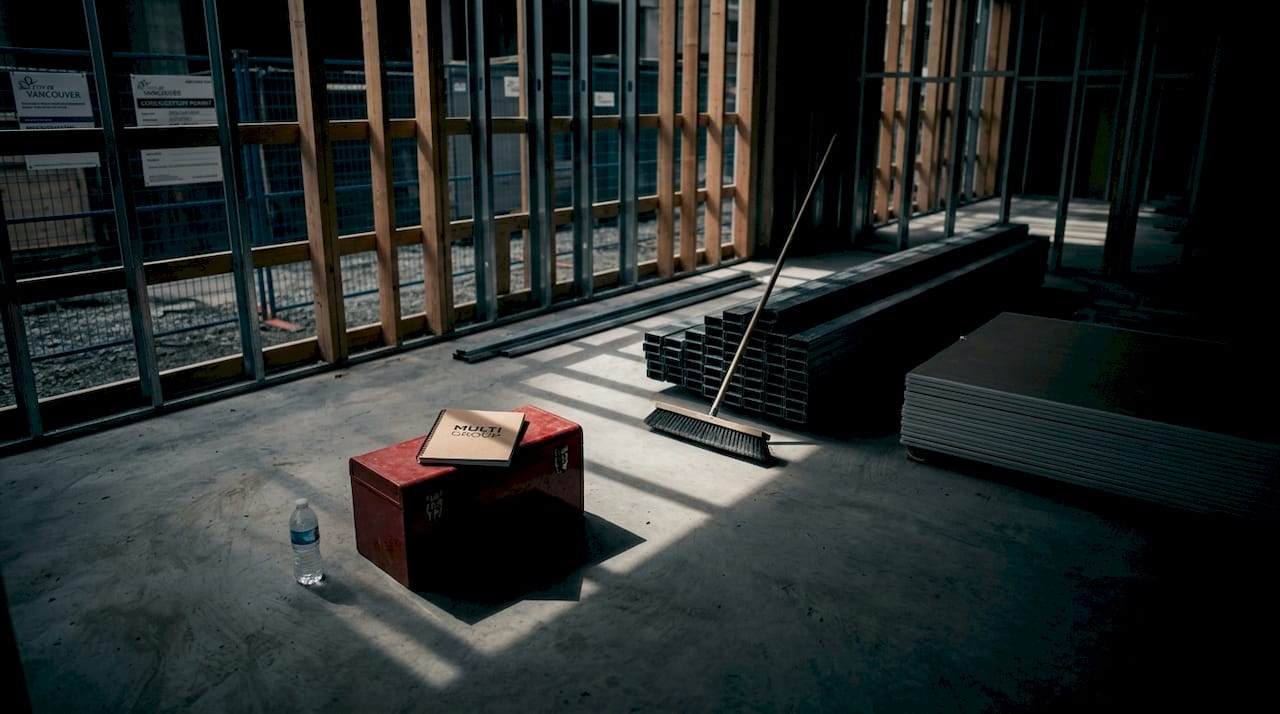
Maintain a clean, hazard-free work zone. The city's inspection stages guide specifically notes that inspections fail on unsafe or untidy sites, even when the actual construction work meets code. A messy site signals poor project management and can trigger additional scrutiny.
Involve licensed professionals before problems appear. Bringing in an expert after a failed inspection costs far more than involving them at the start. Rework on failed rough-ins or structural framing is among the most expensive corrections a homeowner can face.
As city guidance makes clear:
"Inspections will not proceed if the site is unsafe, untidy, or if prior required stages have not been completed and documented."
Pro Tip: The top three reasons Vancouver residential inspections fail are incomplete prior stage sign-offs, missing or expired documents on-site, and unsafe or cluttered work zones. Address all three before every scheduled visit.
Tracking residential construction trends also shows that projects with a dedicated site supervisor who manages documentation consistently outperform self-managed builds on both timeline and inspection pass rates.
Having walked through how to avoid the classic blunders, it's time to consider the broader perspective: What really matters for success and what do most guides miss?
A contractor's perspective: What the typical checklist misses
Most residential construction checklists focus on what to do, but they skip the question of when to do it and who needs to be involved at each stage. That gap is where projects fall apart.
Homeowners who choose to act as their own general contractor often underestimate how tightly sequenced city inspections are. One missed or failed stage creates a chain reaction that shifts every subsequent booking. The domino effect of a single failed footing inspection can push your framing and rough-in schedule back by three to four weeks.
The most overlooked piece of advice is to integrate your contractor, energy adviser, and city inspector contact before you finalize your drawings. Changes made at the drawing stage cost almost nothing. Changes made after permit issuance or during construction can cost tens of thousands of dollars.
City processes in Vancouver are strict, but they are also consistent and predictable. Success is not about luck or knowing the right people. It is about discipline, documentation, and following the sequence without shortcuts. Reliable contractors in Vancouver bring that discipline to every project as a matter of professional practice.
Get expert help with your Vancouver build
Navigating Vancouver's residential construction requirements is manageable when you have the right team behind you. City checklists, inspection stages, permit forms, and energy compliance requirements all follow a clear sequence, but keeping that sequence organized while managing an active build site is a full-time responsibility.

Multigroup Contracting works with Vancouver homeowners to handle permit preparation, inspection coordination, scheduling, and on-site project management from the earliest planning stages through final occupancy. If you're ready to move forward with confidence, find a licensed contractor who understands Vancouver's requirements and can keep your project on track from day one.
Frequently asked questions
What are the most common reasons residential inspections fail in Vancouver?
Inspections most often fail due to incomplete documentation, unsafe or untidy work sites, or missing sign-offs from prior required stages. Keeping organized records on-site and addressing site safety before every inspection visit reduces these failures significantly, as confirmed by the city's inspection guide.
When should I hire an energy adviser for my Vancouver renovation?
Hire an energy adviser at the planning stage, before drawings are finalized. Early involvement ensures energy compliance requirements are built into the design rather than retrofitted later, which the Vancouver Sun renovation checklist identifies as a key factor in avoiding expensive rework.
What official checklists and forms must I use for building permits in Vancouver?
Use the city's Application Forms and Checklists page to access the current documents for development, building, and specialty permits. Forms are updated periodically, so always verify you're using the latest version before submission.
Can I act as general contractor for my home build in Vancouver?
You can legally act as your own general contractor, but homeowners who skip professional oversight frequently encounter costly rework and inspection failures that a licensed contractor would have prevented. Professional project management pays for itself on most builds.