

Five financing products cover nearly every renovation scenario in Canada: a home equity line of credit (HELOC), a home equity loan or second mortgage, a cash-out mortgage refinance, a construction or renovation mortgage with a draw schedule, and an unsecured personal loan or line of credit. Banks recommend matching the product to the project — phased work suits a HELOC, while a single large project calls for a fixed loan or a refinance. Before you apply for anything, get a written, itemised quote from a licensed general contractor, confirm permit requirements under the BC Building Code, and check BC rebate eligibility.
Quick match by project profile:
- Small repair or urgent fix (under $15,000 CAD): unsecured personal loan or personal line of credit
- Phased kitchen, bathroom, or basement reno ($15,000–$75,000): HELOC
- Single large project — one-off kitchen, commercial fit-out ($40,000–$75,000+): home equity loan or second mortgage
- Major renovation or new build ($75,000+): cash-out refinance or construction/renovation mortgage
- No home equity available: unsecured personal loan or line of credit
Table of Contents
- What are the main home renovation loan types in Canada?
- How to choose the right financing for your renovation
- What to prepare before you apply
- Typical renovation costs in Metro Vancouver and what they mean for borrowing
- How Multigroup Contracting reduces your financing risk
- Key takeaways
- A practical note for Vancouver property owners
- Multigroup Contracting: quotes, permits, and on-budget delivery in Metro Vancouver
- Useful sources
- FAQ
What are the main home renovation loan types in Canada?
CMHC lists personal loans, lines of credit, secured home equity products, and mortgage refinancing as the core renovation financing options. Here is how each one works.
HELOC (Home Equity Line of Credit) A HELOC is a revolving, variable-rate credit line secured against your home equity. You draw funds as needed and pay interest only on what you use. That flexibility makes it well suited to phased projects where costs arrive in stages. The risk: HELOCs are tied to prime, and interest-only minimum payments during the draw period mean the principal can sit untouched for years, increasing long-term cost if you don't actively amortise the balance.
Home equity loan / second mortgage A fixed lump sum disbursed at closing, repaid on a set schedule with principal and interest. Fixed rates commonly range roughly 6.5%–9.0% depending on lender and borrower profile, and this product is more common at credit unions and trust companies than at the major banks. Best for one-off projects where payment predictability matters.
Cash-out mortgage refinance Replaces your existing mortgage with a larger one; you receive the difference in cash. This typically carries the lowest rate of any renovation product, but it comes with appraisal, legal, and possible prepayment costs. Refinancing becomes cost-effective for projects above roughly $50,000 CAD, when long-term rate savings outweigh upfront closing costs of $2,000–$5,000.
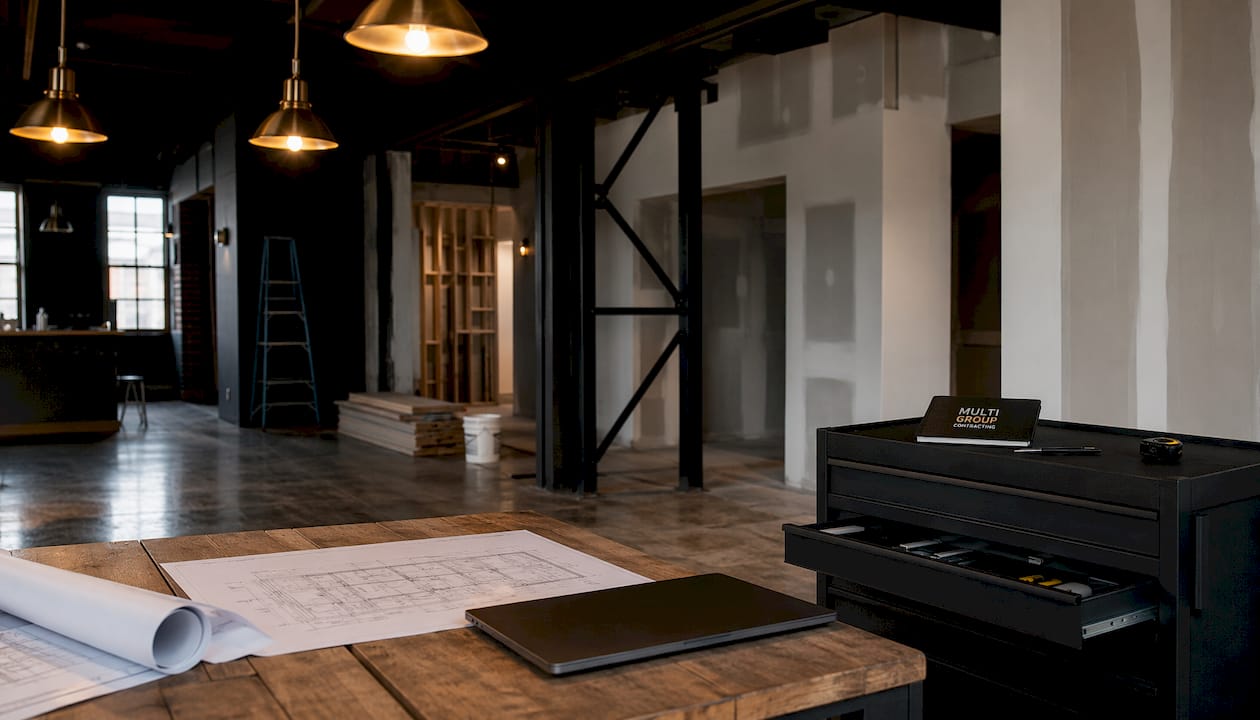
Construction or renovation mortgage (draw schedule) Funds are disbursed in stages tied to verified construction milestones. Lenders typically require a licensed contractor's scope, a project schedule, and permit confirmation before each draw. This structure suits large renovations and new builds where cash flow must align with construction progress.
Unsecured personal loan or personal line of credit No home equity required, and approval is faster. The trade-off is higher rates — personal loans run 8%–20%+ and personal lines of credit 7.45%–15%+. Repayment terms on personal loans are typically 1–5 years. Best for smaller projects or when equity is unavailable.
Pro Tip: Never rely on a credit card to bridge a funding gap mid-project. Credit card rates run 19.99%–30%+, and a stalled renovation can leave you carrying that balance for months.
How to choose the right financing for your renovation
The right product depends on four variables: project size, whether costs are known upfront, your available equity, and your tolerance for variable payments.
| Project type | Typical CAD range | Recommended product |
|---|---|---|
| Small repair or urgent fix | Under $15,000 | Personal loan or line of credit |
| Kitchen or bathroom reno | $15,000–$75,000 | HELOC (phased) or home equity loan (single phase) |
| Basement or addition | $40,000–$75,000+ | HELOC or home equity loan |
| Commercial tenant improvement | $50,000+ | Construction mortgage or cash-out refinance |
| Warehouse retrofit | $75,000+ | Construction mortgage |
| New residential build | $75,000+ | Construction/renovation mortgage |
When comparing lenders, look beyond the rate. Prepayment penalties, appraisal fees, legal costs, and the lender's stress-test requirements all affect total cost. A construction mortgage from a credit union may carry a slightly higher rate than a bank refinance but fund faster and require fewer conditions.
Plan your renovation scope before you approach any lender. A licensed contractor's written quote is the single most important document lenders and rebate programmes use to assess project feasibility. Build a 10%–20% contingency into the loan amount from the start — running short mid-project and drawing on unsecured credit is one of the most common and costly renovation mistakes.
What to prepare before you apply
Lenders for secured renovation products typically require:
- Government-issued ID and proof of income (pay stubs, T4s, or NOAs for self-employed applicants)
- Current mortgage statement and recent property tax bill
- Contractor's written, itemised scope of work and payment schedule
- Project timeline with construction milestones
- Permit status confirmation or permit application number
- Contingency plan and total project budget
Permits and BC Building Code compliance affect both financing and rebate eligibility. Many lenders require active permits before releasing draw funds on a construction mortgage. A licensed contractor handles permit submissions and ensures work meets BC Building Code standards, which protects both the borrower and the lender.
Rebate and grant eligibility can meaningfully reduce how much you need to borrow. The BC government lists energy-efficiency and accessibility incentive programmes that require specific professional assessments and documentation before work begins. The BC Rebate for Accessible Home Adaptations (BC RAHA) is first-come, first-served with annual funding; approved work must be completed within 180 days of written approval, so your contractor must be ready to mobilise quickly.
Pro Tip: Submit rebate applications and confirm written contractor availability before you finalise your loan. Missing a first-come, first-served programme because your contractor wasn't ready to start within the approval window is an avoidable loss.
Typical renovation costs in Metro Vancouver and what they mean for borrowing
Most Canadian renovations fall between $15,000 and $75,000 CAD, though Metro Vancouver costs run higher than national averages due to labour and material pricing. Understanding types of home renovations helps you size the loan correctly from the start.
| Project | Typical Metro Vancouver range | Loan product fit | Illustrative rate band |
|---|---|---|---|
| Bathroom reno | $15,000–$75,000 | Personal loan or HELOC | 7%–20%+ |
| Kitchen reno | $30,000–$80,000 | HELOC or home equity loan | 5%–9% |
| Tenant improvement (retail/office) | $15,000–$75,000 | Construction mortgage or refinance | 4%–7% |
| Warehouse retrofit | $75,000+ | Construction mortgage | 4%–7% |
| Residential addition | $75,000+ | Cash-out refinance or construction mortgage | 4%–7% |
For a kitchen renovation of moderate size, HELOC and home equity loan options differ in monthly payment profiles and interest costs, with HELOC offering flexibility and home equity loan offering payment stability. The fixed loan offers predictability; the HELOC offers flexibility but exposes you to rate movement.
Refinancing adds one-time closing costs of roughly $2,000–$5,000 CAD in appraisal, legal, and possible prepayment fees. That threshold is why refinancing is generally reserved for projects above $50,000, where the lower long-term rate justifies the upfront outlay. For cost-saving construction strategies that reduce the total amount you need to borrow, value-engineering with your contractor before finalising scope is worth the conversation.
How Multigroup Contracting reduces your financing risk
A licensed contractor's documentation package does more than satisfy lender requirements — it protects your budget. Consider a commercial tenant improvement in Burnaby: without a fixed, itemised quote and a milestone schedule, a lender may approve less than the project requires, or release funds on a timeline that doesn't match construction progress.
Multigroup Contracting provides:
- Fixed, itemised quotes that reflect current Metro Vancouver labour and material costs
- Project schedules with construction milestones aligned to draw-schedule disbursements
- Permit management and BC Building Code compliance across all trades
- Professional assessments and documentation for energy-efficiency and accessibility rebate applications
- Subcontractor coordination that keeps projects on budget and on schedule
For a residential kitchen renovation, that level of documentation reduces lender uncertainty and supports faster approval. For a warehouse retrofit or retail buildout, a structured draw schedule is often a lender requirement — and Multigroup's project management process is built around it.
Pro Tip: Ask your contractor for a reference list of completed projects with similar scope and budget. Lenders and rebate administrators treat contractor track record as a credibility signal, particularly for construction mortgages above $100,000.
Key takeaways
Choosing the right renovation financing in Canada comes down to matching the loan structure to your project profile, equity position, and repayment capacity.
| Point | Details |
|---|---|
| Match product to project | Use a HELOC for phased work, a fixed home equity loan for single large projects, and refinancing for projects above $50,000. |
| Build in contingency | Include 10%–20% contingency in your loan amount to avoid drawing on high-rate unsecured credit mid-project. |
| Refinancing costs | Cash-out refinancing typically adds $2,000–$5,000 in closing costs; factor this before choosing it for smaller projects. |
| Rebate timing matters | BC RAHA and energy programmes are first-come, first-served; confirm contractor availability before applying. |
| Multigroup's role | Multigroup Contracting provides itemised quotes, milestone schedules, and permit management that satisfy lender and rebate requirements in Metro Vancouver. |
A practical note for Vancouver property owners
Metro Vancouver's permit queues and contractor availability create financing timing risks that most national guides don't address. A City of Vancouver building permit for a mid-scale residential renovation can take several weeks to process; for a commercial tenant improvement, the timeline is often longer. If your construction mortgage or draw-based financing is approved before the permit is issued, you may be paying interest on funds you cannot yet use.
Commercial fit-outs and tenant improvements in the Metro Vancouver market frequently require structured draw schedules, and warehouse renovations almost always need a construction mortgage rather than a simple HELOC. Coordinate your lender's disbursement timeline with your contractor's permit submission and milestone schedule before you sign anything. A funding gap that delays the first trade on site can cascade into missed rebate windows and cost overruns that a contingency reserve won't fully cover.
Multigroup Contracting: quotes, permits, and on-budget delivery in Metro Vancouver
Getting financing approved is one step. Delivering the project on budget and on schedule — with the documentation lenders and rebate programmes expect — is where most borrowers run into trouble without the right contractor.

Multigroup Contracting handles commercial renovation in Vancouver and residential projects across Metro Vancouver, including tenant improvements, retail and restaurant buildouts, office renovations, warehouse retrofits, and custom residential builds. Every project includes permit management, BC Building Code compliance, and a project schedule built around construction milestones. For energy-efficiency or accessibility rebate applications, Multigroup coordinates the professional assessments and documentation required by BC programmes.
If you're preparing to apply for renovation financing, the first concrete step is a written, itemised contractor quote. Contact Multigroup for a project consultation and get the documentation your lender needs before you apply.
Useful sources
- CMHC: Financing options for home renovations — federal overview of all renovation financing products
- BC government: Financial incentives for building or renovating — provincial energy-efficiency and accessibility programmes
- BC Housing: BC RAHA — accessibility adaptation rebate, eligibility, and 180-day completion requirement
- Scotiabank: How Canadians can use home equity — product-selection guidance from a major Canadian lender
Check programme eligibility early. BC rebate programmes operate on annual funding cycles and are first-come, first-served. Keep copies of your contractor's quote, project schedule, and any required professional assessments — rebate administrators and lenders both ask for them.
FAQ
What is the best loan type for a kitchen renovation in Canada?
For a single-phase kitchen renovation in the $30,000–$80,000 range, a home equity loan or HELOC is typically the most cost-effective choice. A HELOC suits phased spending; a fixed home equity loan suits a defined scope with a known total cost.
How much equity do I need to qualify for a HELOC or home equity loan?
Most lenders require sufficient equity in your home, good credit, stable income, and acceptable debt-to-income ratios for qualification.
Does mortgage refinancing make sense for a renovation in Metro Vancouver?
Cash-out refinancing is generally cost-effective for projects above roughly $50,000 CAD, where long-term rate savings outweigh the $2,000–$5,000 in typical closing costs.
Do BC renovation rebates affect how much I need to borrow?
Yes. BC energy-efficiency and accessibility programmes can reduce your out-of-pocket costs, but they require professional assessments and strict completion timelines. Confirm eligibility before finalising your loan amount.
Why does a licensed contractor matter for renovation financing?
A licensed contractor's itemised quote and milestone schedule are the core documents lenders use to assess project feasibility. Multigroup Contracting provides both, along with permit management and BC Building Code compliance, which supports faster lender approval and rebate eligibility.