
TL;DR:
- Proper bathroom remodeling begins with planning the layout and budget before selecting fixtures. Waterproofing and ventilation systems must be installed correctly to prevent structural damage and mold growth over time. Homeowners should carefully review contractor bids and budget for hidden issues, especially in older homes, to ensure lasting quality.
Bathroom remodeling tips are practical, prioritised actions that protect your investment by addressing plumbing, waterproofing, and ventilation before you choose a single tile. A bathroom renovation, known in the construction industry as a wet room refurbishment or bathroom gut renovation, can range from a focused cosmetic refresh to a full structural overhaul. In Metro Vancouver, full gut renovations can run from $1,000 to $22,000 or more depending on scope, finishes, and whether plumbing moves. Getting the fundamentals right from the start is what separates a bathroom that lasts 20 years from one that needs repairs in five.
1. How to plan your bathroom layout and budget efficiently
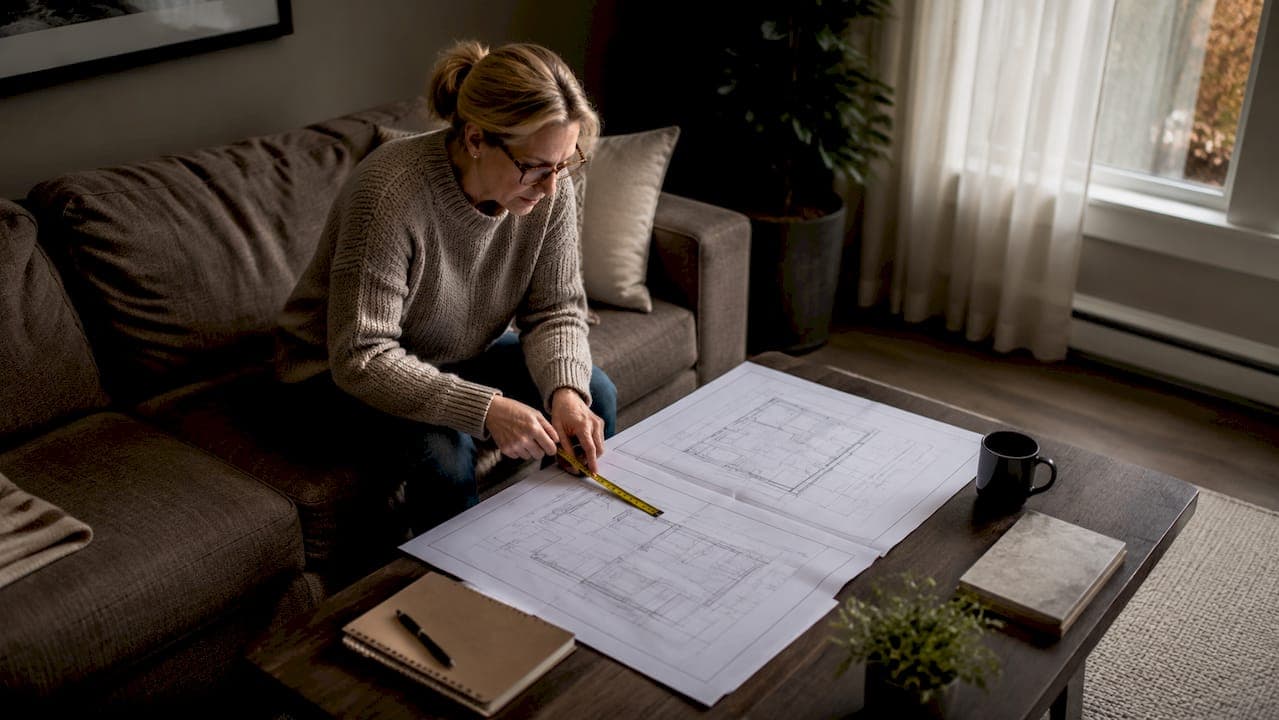
Locking your layout before selecting any fixtures is the single most important planning decision you will make. Ordering long-lead items early and confirming your layout prevents costly change orders and schedule delays once demolition begins. Starting demolition with undecided fixtures is one of the most common and expensive mistakes homeowners make.
Budget for a primary bathroom at 5–10% of your home's value, and a secondary bathroom at 3–5%. These ranges reflect the real cost of quality materials, licensed labour, and permit fees in the Metro Vancouver market. Always add a 10–20% contingency on top of your base budget to cover hidden damage, which is standard in older homes.
Moving plumbing costs an additional $2,000–$5,000 in most projects. Keeping your toilet, shower, and vanity in their existing positions is the most reliable way to control costs. If your layout genuinely needs a change, price it explicitly before committing.
Pro Tip: Get your renovation budget planned before you visit a showroom. Walking in without a number leads to scope creep and regret.
2. Waterproofing your bathroom the right way
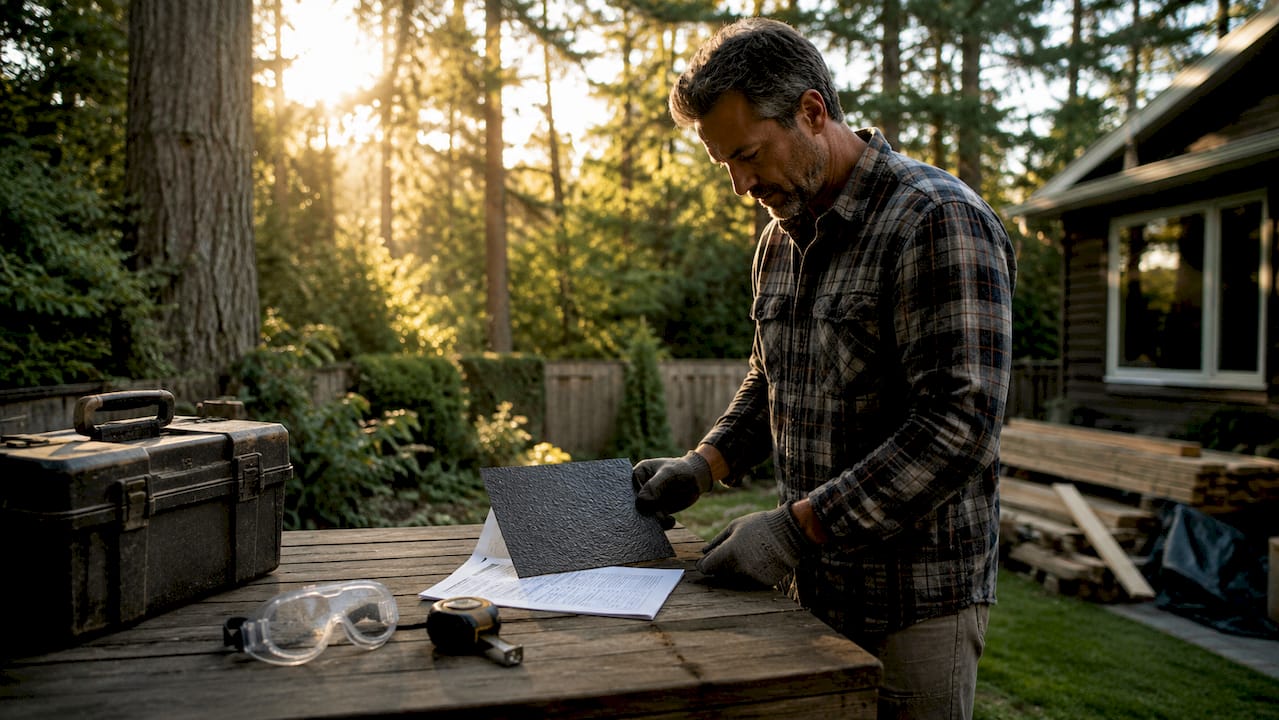
Waterproofing is a system installed behind the tile, not the tile or grout itself. It uses specialised membranes and sealed seams to prevent moisture from reaching the wall structure. Tile and grout alone do not stop water. Skipping or cutting corners on this system leads to structural rot and mould that can cost far more to repair than the original renovation.
The consequences of poor waterproofing are not immediate. Damage typically appears within a few years, often hidden behind walls or under floors until it becomes a major structural problem. By that point, you are looking at a full tear-out and redo.
Proper installation requires:
- A continuous waterproof membrane applied to all wet areas, including shower walls and floors
- Sealed seams at all corners, transitions, and penetrations
- A sloped shower floor to direct water toward the drain
- Waterproofing extended at least 150 mm beyond the wet zone perimeter
Pro Tip: Ask your contractor to show you the waterproofing membrane before tile goes on. If they cannot or will not, that is a red flag.
3. Getting ventilation right to prevent mould
Proper bathroom ventilation requires a minimum of 50 CFM intermittent or 20 CFM continuous airflow, vented directly outdoors. Venting into an attic or wall cavity is not compliant with the BC Building Code and causes serious moisture damage. The standard sizing rule is one CFM per square foot of bathroom area.
Inadequate ventilation causes mould growth, peeling paint, and deteriorating finishes within a few years. These are not cosmetic issues. Mould in a bathroom wall or ceiling is a health concern and a structural one. Replacing a mould-damaged ceiling and wall assembly costs far more than installing the right fan at the start.
When selecting a fan, choose a unit rated for your bathroom's square footage with a humidity sensor if possible. Humidity-sensing fans run automatically when moisture levels rise, removing the reliance on homeowners remembering to switch them on. This is particularly useful in Metro Vancouver's wet climate.
4. Choosing materials and fixtures that last
Porcelain tile, quartz surfaces, and solid wood-look finishes are the most durable choices for bathroom environments. They resist moisture, are easy to clean, and hold up to daily use without warping or staining. Purely aesthetic choices made without testing durability often result in expensive replacements within five years.
Always view finishes in person before purchasing. Colours and textures look different under showroom lighting than under your bathroom's actual light conditions. Order samples and live with them for a few days before committing.
Popular bathroom design ideas trending in 2026 include:
- Stacked shower wall tile, appearing in 18% of recent projects
- Floating vanities, which create visual space and simplify floor cleaning
- Frameless shower doors, which open up small bathrooms visually
- Large format tile, which reduces grout lines and makes small spaces feel larger
For fixtures, look for the WaterSense label. WaterSense-labelled fixtures reduce water consumption without sacrificing performance. In British Columbia, water-efficient fixtures also align with municipal sustainability requirements in many Metro Vancouver municipalities.
| Material | Best use | Durability |
|---|---|---|
| Porcelain tile | Floors, shower walls | Excellent moisture resistance |
| Quartz | Vanity countertops | Non-porous, stain resistant |
| Solid wood-look finish | Vanity cabinetry | Moisture-resistant when sealed |
| Natural stone | Feature walls, floors | High-end, requires sealing |
Pro Tip: Check bathroom tile trends before finalising your material selections. Trends shift quickly, and choosing a finish that already feels dated will affect resale value.
5. Storage, lighting, and layout details that improve daily use
Recessed medicine cabinets, floating shelves, and deep vanity drawers are the most effective storage solutions for bathrooms of any size. Reducing visible clutter has a measurable psychological benefit. A tidy bathroom feels larger and more functional, which matters especially when remodelling small bathrooms where every square centimetre counts.
Lighting requires three distinct layers to work properly:
- Task lighting at the vanity, positioned at face level on both sides of the mirror to eliminate shadows
- General overhead lighting for the full room
- Shower-specific lighting rated for wet locations
Avoid side-mounted vanity lights positioned at eye level. They create unflattering shadows that make grooming tasks harder. Front-lit or side-lit mirror fixtures at face height are the correct approach.
For layout clearances, the toilet requires a minimum of 380 mm of clear space on each side per BC Building Code requirements. Shower doors need sufficient swing clearance that does not conflict with the vanity or toilet. These clearances are not optional. Building inspectors check them, and failing an inspection adds cost and delays.
Pro Tip: If you are short on storage, a recessed medicine cabinet adds depth without taking floor space. It is one of the highest-value additions in a small bathroom renovation.
6. Avoiding costly mistakes and managing your contractor
Low contractor bids frequently omit scope details and lead to unexpected expenses through change orders. A bid that looks attractive at first often ends up costing more than a thorough, detailed quote once the hidden costs surface. Reviewing bids carefully is a skill worth developing before you sign anything.
To protect yourself, follow these steps:
- Get at least three written quotes with itemised scopes of work
- Confirm the scope includes permits, waterproofing, ventilation, and fixture installation
- Use a contractor bid review process to compare line items, not just totals
- Include payment milestones tied to completed work stages in your contract
- Hold the final 10–15% of payment until the punch list is complete and inspections pass
- Schedule permits early. Permit delays are one of the most common causes of project stalls in Metro Vancouver
Hidden problems such as water damage behind walls, uneven subfloors, and outdated wiring are standard discoveries in older homes. Budget your contingency before you start, not after the surprises appear. A written contract with clear milestones and a defined scope is your best protection against disputes.
Key takeaways
The most effective bathroom renovation starts with locking layout and budget, then building a proper waterproofing and ventilation system before selecting any finishes or fixtures.
| Point | Details |
|---|---|
| Lock layout before ordering | Finalise your floor plan before purchasing fixtures to avoid costly change orders. |
| Budget with a contingency | Add 10–20% above your base budget to cover hidden damage in older homes. |
| Waterproofing is a system | Membranes and sealed seams behind tile prevent structural rot and mould. |
| Ventilation must vent outdoors | A minimum of 50 CFM intermittent airflow vented outside is required by code. |
| Vet contractor bids carefully | Hold final payment until the punch list is complete and all inspections pass. |
What I have learned from bathroom renovations in Metro Vancouver
The most consistent mistake I see homeowners make is treating the bathroom as a design project first and a construction project second. The tile choice gets weeks of deliberation. The waterproofing membrane gets five minutes of conversation. That imbalance is where expensive problems are born.
Older homes in Metro Vancouver, particularly those built before the 1990s, almost always have surprises behind the walls. Rotted blocking, galvanised pipes, and undersized electrical circuits are not rare. They are expected. Homeowners who budget for them do not panic when they appear. Homeowners who do not budget for them end up making rushed decisions that compromise the finished result.
On the design side, I have seen the floating vanity and frameless shower door trend hold strong because it solves a real problem: small bathrooms feel larger without any structural change. That is a trend worth following because the function justifies the form. Not every trend passes that test. Spend your budget on things that work first, and let the aesthetics follow.
The contractor relationship matters more than most homeowners expect. A clear written scope, milestone payments, and a final holdback are not signs of distrust. They are the structure that keeps a project on track. Any contractor who resists those terms is telling you something important.
— MultigroupTeam
Bathroom renovation services in Metro Vancouver
Multigroup is a licensed Vancouver general contractor with deep experience in residential bathroom renovations and tenant improvements across Metro Vancouver, including Burnaby, Richmond, Surrey, North Vancouver, and Coquitlam. Every project is managed with full BC Building Code compliance, permit handling, and clear milestone scheduling from the first consultation to final inspection.

Homeowners working with Multigroup get a detailed written scope, transparent pricing in CAD, and a project management process built to avoid the delays and surprises that derail most renovations. Whether you are planning a full gut renovation or a targeted cost-effective upgrade, the team at Multigroup is ready to help you plan it properly. Contact Multigroup at multigroup.ca to get started.
FAQ
How much does a bathroom renovation cost in Vancouver?
A primary bathroom renovation typically costs 5–10% of your home's value, while a secondary bathroom runs 3–5%. Full gut renovations in Metro Vancouver range from $1,000 to $22,000 or more depending on scope and finishes.
What is the most expensive part of remodelling a bathroom?
Moving plumbing is the costliest single decision in a bathroom renovation, adding $2,000–$5,000 to project costs. Keeping existing plumbing in place is the most reliable way to control your budget.
Do I need a permit for a bathroom renovation in BC?
Most structural, plumbing, and electrical work in a bathroom requires a permit under the BC Building Code. Cosmetic updates like painting or replacing fixtures in kind may not, but confirm with your local municipality before starting work.
What ventilation does a bathroom need in Canada?
A bathroom fan must provide a minimum of 50 CFM intermittent or 20 CFM continuous airflow, vented directly outdoors. Venting into an attic or wall cavity does not meet code and causes moisture damage.
How do I choose stone for my bathroom?
Choose stone that is rated for wet environments and seal it properly before and after installation. Porcelain tile and quartz are lower-maintenance alternatives that deliver a similar aesthetic with less upkeep.